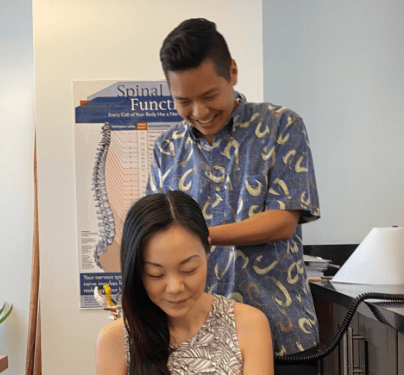
An upper cervical chiropractor specializes in the precise diagnosis and gentle correction of misalignments in the top two vertebrae of the neck, known as the atlas (C1) and axis (C2). These vertebrae play a crucial role in supporting the skull and protecting the brainstem, which controls many vital functions of the nervous system.
Unlike traditional chiropractic care that may involve adjustments along the entire spine and sometimes include twisting or cracking motions, upper cervical chiropractic focuses exclusively on the upper neck region. The adjustments are low-force, targeted, and designed to restore proper alignment without discomfort or sudden movements.
Key aspects of upper cervical chiropractic care include:
- Precise evaluation using detailed assessments and digital imaging to identify misalignments.
- Gentle, low-force adjustments aimed at correcting the position of C1 and C2 vertebrae.
- A personalized treatment plan tailored to each patient's unique condition and health goals.
This specialized care can help alleviate a variety of symptoms such as neck pain, headaches, migraines, vertigo, and jaw discomfort by addressing the root cause—neurological interference caused by upper cervical misalignment. Care typically begins with a comprehensive consultation and thorough evaluation, followed by targeted adjustments and ongoing monitoring to support long-term spinal health and overall wellness.
Symptoms may include neck pain, headaches, dizziness, balance problems, jaw discomfort, and stiffness in the upper neck region. These signs often indicate misalignment or dysfunction in the upper cervical spine, particularly around the atlas (C1) and axis (C2) vertebrae. Patients might experience:
- Persistent or recurring neck stiffness and discomfort
- Frequent headaches or migraines that don't respond well to conventional treatments
- Episodes of dizziness or vertigo affecting balance and coordination
- Jaw pain or TMJ-related issues linked to neck alignment
- A general feeling of tension or restricted movement at the base of the skull
Recognizing these symptoms early can lead to more effective care through precise upper cervical chiropractic adjustments, which aim to restore proper alignment and alleviate neurological interference.
Upper cervical chiropractic is a well-established and specialized branch of chiropractic care that focuses on the precise alignment of the top two vertebrae in the neck—the atlas (C1) and axis (C2). This approach uses gentle, low-force adjustments designed to correct misalignments that can interfere with nervous system function.
Key points about its legitimacy include:
- It is practiced by licensed chiropractors who have received additional training in upper cervical techniques.
- The method relies on detailed assessments, including digital imaging, to ensure accuracy.
- Many patients report relief from symptoms such as neck pain, headaches, dizziness, and jaw discomfort following treatment.
- Upper cervical chiropractic care is recognized within the broader chiropractic community as a safe and effective option when performed by qualified practitioners.
While it is not a cure-all and should be part of a comprehensive health plan, upper cervical chiropractic is a credible and respected approach to addressing specific spinal misalignments that affect overall health.
Upper cervical chiropractors specialize in the precise care of the top two vertebrae in the neck: the atlas (C1) and axis (C2). Their focus is on gentle, highly targeted adjustments aimed at restoring proper alignment in this critical area, which plays a key role in nervous system function and overall spinal health.
In contrast, regular chiropractors typically address a broader range of spinal regions and may use a variety of techniques, including manual adjustments that involve multiple areas of the spine. These adjustments can sometimes include more forceful manipulations such as twisting or cracking.
Key differences include:
- Scope of Care: Upper cervical chiropractors concentrate exclusively on C1 and C2; regular chiropractors work on the entire spine.
- Adjustment Style: Upper cervical care uses low-force, precise corrections; traditional chiropractic may involve a wider range of techniques, including higher-force adjustments.
- Diagnostic Approach: Upper cervical care relies heavily on detailed assessments and imaging to pinpoint misalignments in the upper neck.
- Patient Experience: Upper cervical adjustments avoid twisting or cracking motions, often resulting in a gentler experience.
This specialized focus allows upper cervical chiropractors to address neurological interference and structural imbalances related to the upper neck with exceptional precision, making it a distinct and complementary approach within the chiropractic field.
Traditional chiropractic often involves manual adjustments across many areas of the spine, sometimes with the familiar “popping” motion. Upper cervical care is more targeted: it concentrates on the C1-C2 region and typically uses gentle, low-force, precise corrections rather than broad twisting or cracking. The approach relies on careful analysis of how the upper neck is positioned before any adjustment is made.