



The Search for Lasting Relief Starts with the Best Chiropractor in Kaimuki, HI
Are you searching for the best chiropractor in Kaimuki, HI, who can accurately measure spinal curvature and help relieve your pain? Many people struggle with back discomfort and uncertainty about their spinal health. Often, it’s hard to find real answers or know which solutions will last. If you’re tired of temporary relief or just masking symptoms, you’re not alone. The frustration can make it hard to work, exercise, or even enjoy time with your family. Fortunately, there’s a way forward. The best chiropractors use proven techniques to assess spinal health and provide tailored care that addresses the root cause of pain, not just the symptoms. This article explains how top chiropractic professionals measure spinal curvature—and why this matters for your long-term wellness and comfort.
What Makes a Chiropractor Stand Out in Kaimuki, HI?
Choosing the right chiropractic clinic can be a turning point for those with back pain, neck stiffness, or posture concerns. In Kaimuki, the best chiropractor will stand out for more than just convenient location or friendly staff. They offer advanced diagnostic tools, a patient-focused approach, and an in-depth understanding of spinal alignment. These clinics are committed to helping each patient achieve optimal wellness through safe, effective chiropractic care, using up-to-date methods and personalized treatment plans.
Understanding Spinal Curvature: Why It Matters
Spinal curvature is more than just a technical term; it’s central to your health. The human spine has natural curves designed to absorb shock and support your body’s weight. However, when these curves become too pronounced or misaligned, they can cause discomfort, limit mobility, and even impact nerve function. Common conditions include scoliosis (sideways curve), kyphosis (excessive outward curve), and lordosis (excessive inward curve). Detecting these changes early is key to preventing chronic pain and complications.
The Role of Chiropractic Care in Spinal Health
Chiropractic care goes beyond simply cracking backs. The best chiropractor will carefully assess spinal curvature to find the source of your pain or postural issues. Chiropractors specialize in non-invasive techniques that restore alignment, improve flexibility, and support overall wellness. With ongoing care, patients often experience relief from persistent back pain, improved posture, better sleep, and increased energy.
How Do Chiropractors Measure Spinal Curvature?
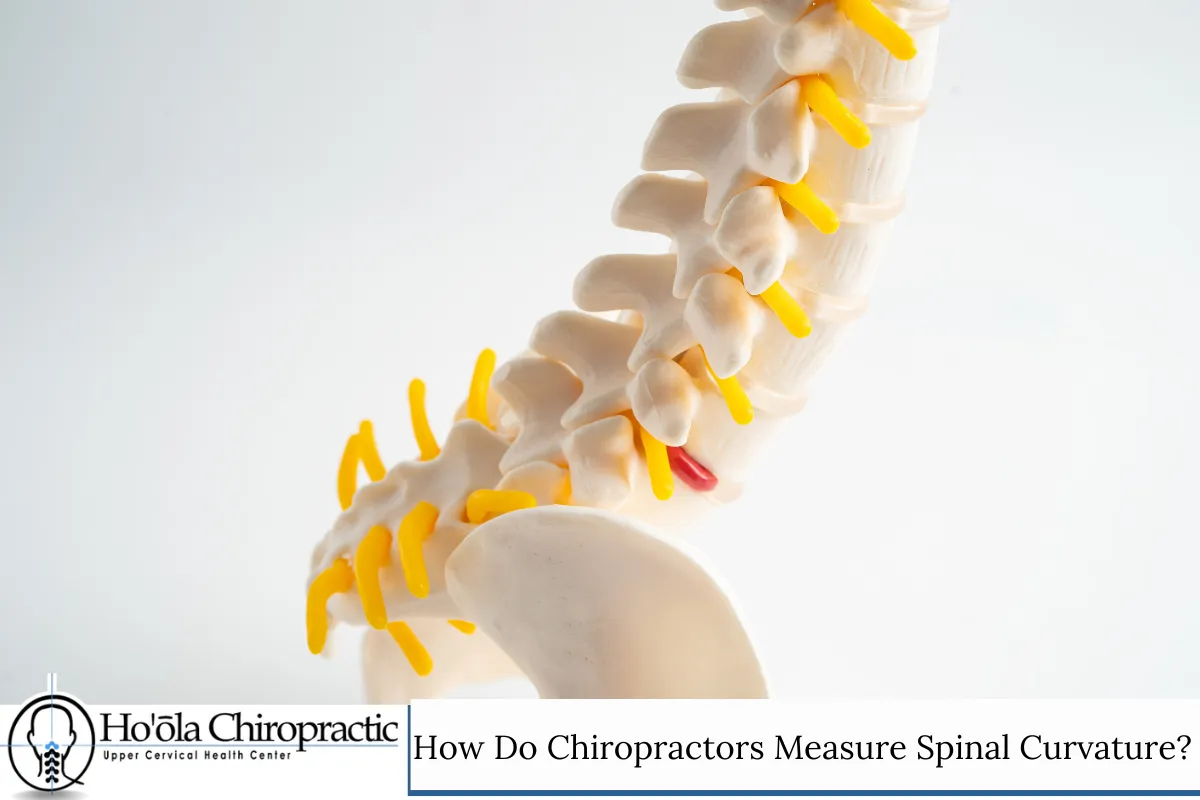
One of the first steps in your chiropractic visit is a thorough evaluation. Here’s how top chiropractors in Kaimuki measure and diagnose spinal curvature:
Comprehensive Patient Assessment
Health History and Physical Exam
Every successful chiropractic journey starts with understanding the patient. Chiropractors begin by asking about your health history, current symptoms, previous injuries, and lifestyle habits. This conversation helps pinpoint potential causes of discomfort and guides further examination.
Posture and Range of Motion Evaluation
A detailed physical exam comes next. Chiropractors observe your posture—both standing and sitting—to identify imbalances or misalignments. They may ask you to perform specific movements to check for limited range of motion, muscle tightness, or joint dysfunction.
Diagnostic Imaging and Technology
Digital X-Rays for Accurate Measurement
Modern chiropractic clinics use digital X-rays to get a clear picture of spinal alignment. X-rays allow chiropractors to view the exact degree and location of spinal curvature. This step is crucial for diagnosing issues like scoliosis or hyperlordosis and planning targeted adjustments. Digital imaging also reduces radiation exposure compared to traditional methods and delivers instant results.
Spinal Analysis Tools
Some clinics use advanced spinal analysis tools, such as surface electromyography (sEMG) or 3D posture scans, to measure muscle tension and postural balance. These technologies give chiropractors more data to create personalized care plans that address your unique needs.
Specialized Measurements and Indices
Cobb Angle Measurement
When assessing conditions like scoliosis, chiropractors measure the Cobb angle—the degree of sideways curve in the spine—using X-rays. This industry-standard technique helps determine the severity of the curve and track progress over time. An angle greater than 10 degrees is often considered scoliosis.
Plumb Line Assessment
A simple but effective method is the plumb line test. The chiropractor uses a weighted string to see how your spine lines up from head to pelvis. Deviations can indicate abnormal spinal curves or uneven posture.
Flexibility and Functional Tests
Functional tests assess how well your spine and joints move during daily activities. Chiropractors look for signs of stiffness, pain, or instability that may relate to underlying spinal curvature.
Read Best Chiropractor in Kaimuki, HI: Can Scoliosis Be Corrected Without Surgery?
Why Accurate Measurement Matters for Lasting Relief

Precise measurement of spinal curvature guides the entire treatment process. By knowing exactly where and how your spine is misaligned, chiropractors can perform adjustments that target problem areas—helping you find lasting relief instead of temporary fixes. Regular follow-up imaging and posture checks allow your chiropractor to monitor improvements and adjust your care plan as needed.
What to Expect During Your Chiropractic Visit
Initial Consultation and Exam
Your first visit typically includes a consultation, a physical examination, and, if necessary, digital imaging. Be prepared to discuss your health concerns, lifestyle, and any previous treatments you’ve tried.
Personalized Care Plan
Based on your exam results, your chiropractor will recommend a care plan tailored to your goals. This might include spinal adjustments, therapeutic exercises, lifestyle advice, or ergonomic recommendations. The plan is designed to reduce pain, restore function, and prevent future issues.
Ongoing Progress Monitoring
The best chiropractic clinics use measurable outcomes to track your progress. Follow-up visits may involve posture checks, range-of-motion tests, and periodic X-rays to ensure your spine is improving as expected.
How Chiropractic Adjustments Improve Spinal Curvature
Techniques Used by the Best Chiropractors
Chiropractors use a variety of gentle adjustment techniques to restore spinal alignment:
- Diversified Technique: Manual adjustments to correct misalignments.
- Activator Method: Handheld device delivers a precise, gentle impulse.
- Gonstead Technique: Focused on thorough analysis and specific corrections.
- Flexion-Distraction: Gentle stretching for bulging discs or low back pain.
- Spinal Decompression: Reduces pressure on discs and nerves.
Each method is selected based on your unique spinal structure and health goals.
Benefits of Chiropractic Care for Spinal Curvature
Regular chiropractic visits can:
- Reduce chronic back and neck pain.
- Improve posture and mobility.
- Prevent progression of abnormal curves.
- Enhance nervous system function.
- Support whole-body wellness and vitality.
Tips for Maintaining Healthy Spinal Alignment at Home
Daily Habits for Better Spinal Health
- Practice Good Posture: Keep your ears, shoulders, and hips aligned.
- Stay Active: Gentle exercise, like walking or swimming, supports spinal strength.
- Use Ergonomic Furniture: Proper chairs and workstations prevent slouching.
- Stretch Regularly: Simple stretches can relieve tension and improve flexibility.
- Lift Safely: Bend your knees, not your back, when picking up heavy objects.
Consistent self-care and regular chiropractic checkups help keep your spine healthy for years to come.
Best Chiropractor in Kaimuki, HI - Ho'ola Chiropractic
Looking for the best chiropractor in Kaimuki, HI? Ho'ola Chiropractic stands out for our commitment to accurate diagnosis and effective spinal care. Our experienced team uses advanced imaging, thorough assessments, and personalized treatment plans to help you achieve pain relief and improved mobility. Whether you’re dealing with scoliosis, poor posture, or chronic discomfort, we are ready to help you feel your best. We serve Kaimuki and surrounding neighborhoods, offering convenient appointments, a welcoming environment, and a true focus on patient care. Call us today at (808) 772-8284 or fill out our quick contact form—your path to wellness starts here!
Frequently Asked Questions
What causes abnormal spinal curvature?
Abnormal spinal curvature can result from several factors, including genetics, injuries, poor posture, or underlying health conditions like osteoporosis. In children and teens, scoliosis often develops during growth spurts. Adults may develop curvature due to repetitive strain, spinal degeneration, or muscular imbalances. Identifying the root cause with a chiropractic evaluation is essential for creating an effective care plan.
How often should I see a chiropractor for spinal curvature issues?
The frequency of chiropractic visits depends on your condition and health goals. For acute pain or significant curvature, your chiropractor may recommend visits two to three times per week initially, gradually reducing frequency as your spine stabilizes. Maintenance care—such as monthly checkups—helps prevent future problems and supports long-term spinal health. Your chiropractor will create a schedule that fits your specific needs.
Are chiropractic adjustments safe for people with scoliosis?
Yes, chiropractic adjustments are generally safe for most people with scoliosis. Skilled chiropractors use gentle, targeted techniques that avoid stressing the affected areas. The goal is to improve alignment, mobility, and comfort without causing harm. However, it's important to work with a chiropractor experienced in scoliosis care, as each patient’s needs are unique.
Can children and teens benefit from chiropractic care for spinal curvature?
Absolutely. Early intervention is key when dealing with spinal curvature in children and teens. Chiropractic care can help manage pain, improve posture, and even slow progression of scoliosis or other curvatures. Treatment is tailored to the age and condition of the patient, using gentle methods to ensure safety and effectiveness.
Will insurance cover chiropractic care for spinal curvature?
Many insurance plans include chiropractic benefits, particularly for conditions like back pain or medically necessary spinal care. However, coverage varies by provider and plan. It’s best to check with your insurance company and your chosen chiropractic office to understand your benefits, potential co-pays, and what documentation may be required.
Disclaimer: This article is for informational purposes only and is not a substitute for professional medical advice, diagnosis, or treatment. Always consult with a licensed healthcare provider for any health concerns or before starting a new treatment plan.
Read Chiropractor in Oahu: What Toxins Are Released After Chiropractic Adjustment?
