


How SB 2050 and HMSA Policy Shifts Are Reshaping Chiropractic Care
For those depending on chiropractic care in Honolulu to manage chronic pain, neck problems, or migraines, two significant developments are important to keep on your radar. Hawaii currently faces a shortage with fewer than 100 actively practicing chiropractors across the islands, while recent HMSA policy updates have tightened documentation rules for follow-up visit coverage. The result can be longer wait times, rising out-of-pocket costs, and uncertainty about insurance coverage. But the future of chiropractic care in Honolulu is not all bad news. Upcoming state legislation and a growing conversation about how patients and providers can adapt together offer a path forward. Here is what SB 2050 and the HMSA changes mean for the people who need care most.
Enacted during the 2026 legislative session, SB 2050 establishes a formal chiropractic preceptorship framework in Hawaii, allowing advanced chiropractic students to train under licensed doctors in community clinics beginning July 1, 2028. On the insurance side, HMSA expanded stricter utilization reviews for chiropractic, physical, and occupational therapies in April 2026, altering how care is authorized and requiring more frequent progress documentation.
Key Takeaways
- SB 2050 creates a supervised chiropractic preceptorship program in Hawaii to address the workforce shortage, with implementation beginning July 1, 2028.
- Recent HMSA chiropractic changes added stricter treatment reviews that many Honolulu chiropractors say have increased denials and paperwork.
- Patients may face delays in approvals and more documentation demands, but an expanding pool of well-supervised chiropractic students could gradually improve access to care.
- Protecting your chronic pain care means learning the right questions to ask about coverage, pre-authorizations, and out-of-pocket costs at your chiropractic care Honolulu clinic.
These two shifts connect directly to what patients experience every day: whether you can get an appointment this week, whether your body continues healing between visits, and whether your insurance will cover the number of sessions your chiropractor recommends. Chiropractic care can relieve chronic pain effectively, but only if patients can actually access consistent, uninterrupted treatment in a practice they trust.
SB 2050 and the New Chiropractic Preceptorship: What Patients Need to Know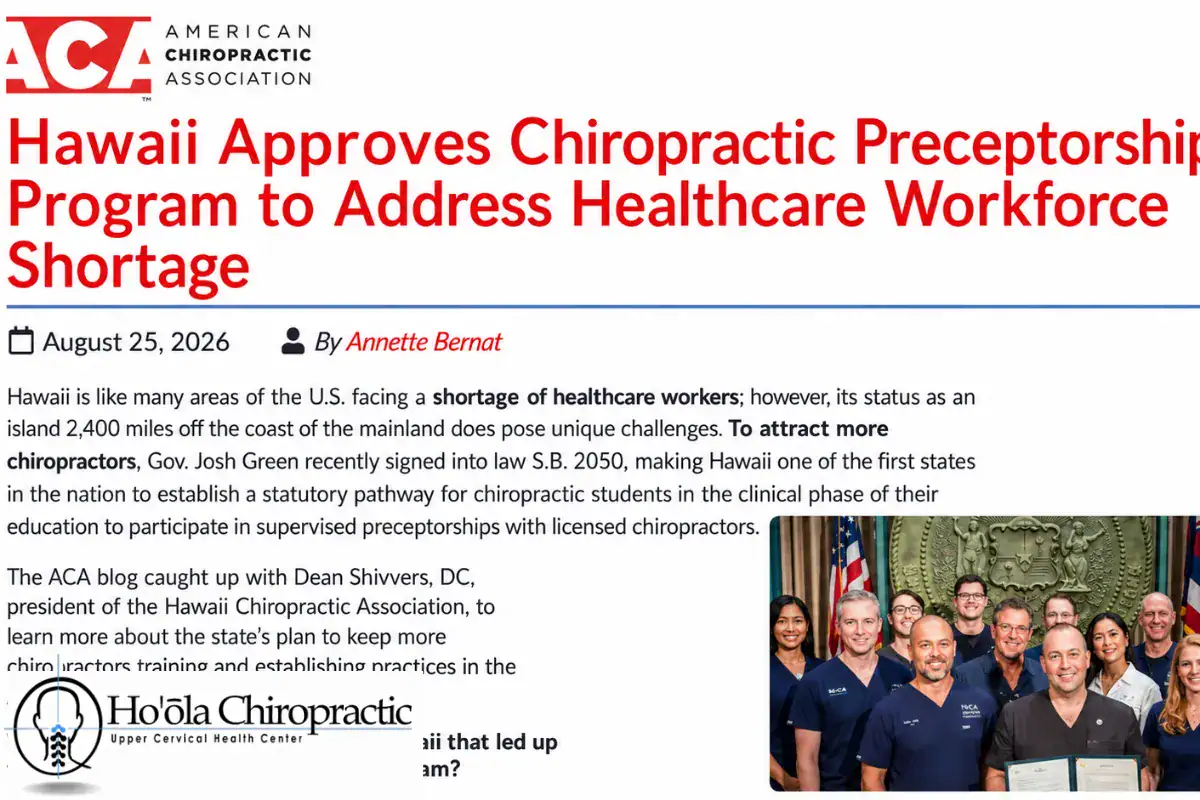
Hawaii has long struggled with a limited number of chiropractors relative to its population. Of the roughly 350 licensed chiropractors in the state, only about 100 are actively seeing patients. There is no chiropractic college on the islands, which means most graduates train on the mainland and many never return. SB 2050 was signed into law as Act 090 during the 2026 legislative session to address this shortage and to meet growing demand for non-drug pain care options, including care for people recovering from a car accident, whiplash, or long-term spinal conditions.
SB 2050 establishes a pathway for chiropractic student preceptorships by allowing eligible students who have completed their didactic coursework and entered the clinical phase of their program to work in Honolulu and other communities under the direct supervision of a licensed chiropractor. The supervising professional retains full responsibility for all patient care. This law aligns chiropractic education with other medical fields by introducing supervised clinical training, much like what doctors and nurses already complete during residency and clinical rotations.
The preceptorship framework takes effect July 1, 2028. Between now and then, the Hawaii Board of Chiropractic will adopt detailed rules covering eligibility criteria, oversight protocols, reporting requirements, and what qualifies as a "clinical practice" setting.
From the patient perspective, here is what this looks like in practice. Under the law, a clinic must inform you beforehand and obtain your written consent before a student participates in your care. Once approved, you may see a student assist with intake, exams, or specific treatment steps under direct supervision, while a licensed chiropractor evaluates your condition, explains the care plan, and performs key procedures. Chiropractic care focuses on mechanical disorders of the musculoskeletal system, so having an extra trained set of hands in the room can actually mean more thorough visits.
The potential benefits for patients are meaningful:
- Shorter waitlists when trying to find a chiropractor in Honolulu
- More time spent on each appointment because a student can assist with intake, notes, and follow-up education
- A growing pipeline of providers who may choose to stay and practice in Hawaii long term
On the safety side, preceptees are still students. They cannot practice independently, and all care must comply with Hawaii regulations for chiropractic practice. SB 2050 aims to improve access to community-level chiropractic care in Honolulu without compromising the standard of care that patients deserve.
Over time, this program could expand access to chiropractic care for conditions like chronic pain, headaches, neck and low back issues, and nerve-related discomfort. Future chiropractic access may improve as more students train locally in Hawaii under SB 2050, helping people across multiple areas of the islands get the care they need.
HMSA Chiropractic Changes: How Coverage, Reviews, and Approvals Affect Your Visits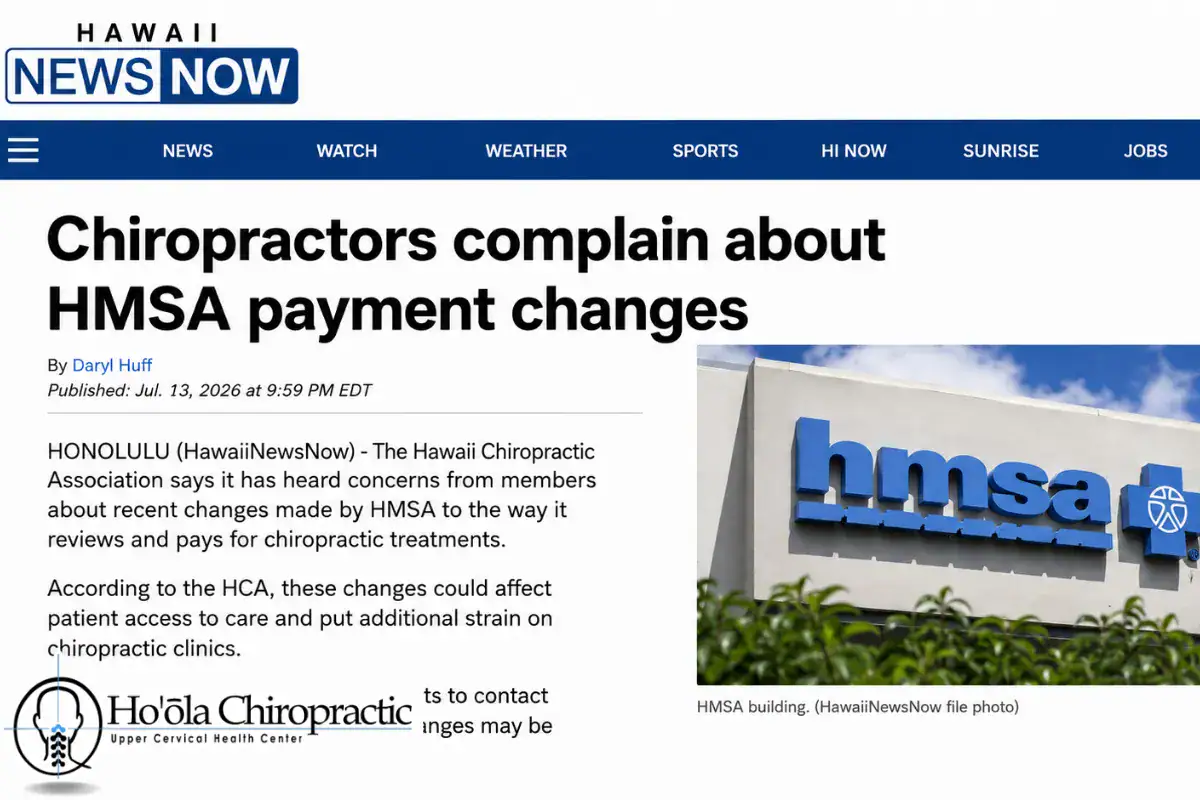
Effective April 1, 2026, HMSA expanded pre-authorization requirements across its physical medicine program, introducing stricter evidence-based reviews for chiropractic services. The stated goal is to ensure that care is appropriate, effective, and aligned with current clinical guidelines. In practice, the changes have introduced more frequent treatment reviews and heavier documentation requirements that many providers say have disrupted patient care.
Here is what "treatment review" means if you are a patient seeking chiropractic care. Your insurer may approve an initial set of visits, perhaps five or ten, and then require your chiropractor to submit updated clinical notes, functional outcome measures, and a revised care plan before authorizing additional sessions. If the documentation does not meet revised criteria, those follow-up visits can be denied.
Increased claim denials have been reported by chiropractors due to new HMSA policies. Some Honolulu clinics report significant drops in reimbursable visits due to claim denials, with practice owners estimating lost revenue that stretches into tens of thousands of dollars per month. Providers have raised concerns that smaller offices could close if the pattern continues, which would only worsen the existing shortage of chiropractors in the state.
HMSA has stated that these reviews are designed to confirm medical necessity and reduce overuse of services that fall outside evidence-based guidelines. Coverage is generally limited to neuromusculoskeletal disorders and pain syndromes, and maintenance care is typically excluded. Under many plans, there are visit caps, such as 20 visits per calendar year, and some therapies require separate pre-authorization.
For patients, these changes might show up in several ways:
- Needing pre-authorization before beginning a new care plan Interruptions in a chronic pain management schedule when additional visits are not approved in time
- Surprise out-of-pocket bills when visits fall outside of what HMSA has authorized
- Patients may face delays and uncertainty regarding coverage for chiropractic services due to HMSA changes
HMSA's changes have also increased administrative burdens on chiropractors in Honolulu, pulling time away from direct patient care and into paperwork. This can affect the feeling of your visit and your overall experience.
Here are a few practical steps you can take to stay ahead of coverage issues:
- Ask your chiropractor to confirm how many visits are currently authorized under your plan
- Request a printed care plan that you can share with your insurer if needed
- Keep copies of every explanation of benefits you receive
Patients need to verify specific insurance coverage and pre-authorization requirements before treatment begins. Some people choose to combine insurance-covered visits with periodic cash-pay sessions to maintain continuity of care when facing strict visit limits. Health insurance may cover some chiropractic costs, but understanding the specifics of your plan before your first appointment is essential.
Read Does HMSA Cover a Chiropractor in Honolulu? What Patients Should Know About Prior Authorization
What These Changes Mean for Access, Chronic Pain Care, and Patient Satisfaction
These two policy shifts pull in different directions. SB 2050 works to expand the Hawaii chiropractic workforce, while HMSA's tighter reimbursement rules could limit the number of visits patients can realistically use. Together, they are reshaping what chiropractic care looks like for thousands of people across Honolulu and the rest of the state.
On the access side, more trained providers expected to enter through the preceptorship program starting in 2028 may gradually reduce appointment bottlenecks, especially for patients seeking help with spine, joint, or nerve-related conditions. Spinal manipulation enhances functionality and reduces nerve irritability, and chiropractic adjustments can improve mobility and reduce pain, but these outcomes depend on consistent access to a provider who can see you when you need to be seen.
Chiropractic care addresses musculoskeletal disorders like back pain, and for many people, this type of care is an alternative to surgery or long-term medication use. Interruptions in treatment schedules or reduced visit approvals can make it harder to maintain gains for conditions like low back pain, migraines, or nerve compression. Evidence-based guidelines generally support more frequent care in the early phases of healing, with gradual tapering over time. Cutting off visits during the tapering phase can undo progress and extend recovery.
Patient satisfaction is increasingly shaped not just by pain relief but by clarity of billing, predictability of coverage, and how well a chiropractor communicates around insurance. Patient education about what a care plan involves, how many visits to expect, and what to do if coverage is denied has become just as important as the adjustment itself. Clinics that prepare to integrate student preceptees while also investing in strong front-desk insurance support will be best positioned to deliver high patient satisfaction as these changes take hold.
If you are currently in care or considering starting, advocate for yourself. Call your plan to clarify benefits, share your functional goals with your provider, such as sitting at work without pain or being able to play with your family on weekends, and give feedback to both your insurer and your chiropractor about what is and is not working. Your health deserves that level of attention.
How Honolulu Patients Can Prepare and Protect Their Chiropractic Care
Despite these regulatory and insurance changes, there are clear steps you can take to stay in control of your chiropractic care plan and avoid surprises.
Before starting or continuing care, have a direct conversation with your chiropractor about coverage details, expected visit frequency, the typical duration of your care plan, and what happens if your insurer denies additional visits. A good practice will provide this information upfront so you can make informed decisions about your body and your budget.
Verify benefits directly with your insurance before a first appointment. Ask about co-pays, deductibles, limits on the number of visits, and whether diagnostic tools like X-rays or periodic re-evaluations are covered. Self-pay initial consultations typically range between $60 and $150, while regular follow-up sessions average $50 to $100. Costs vary based on the chiropractor's experience and services provided, and specialized treatments can increase overall chiropractic costs. Knowing these numbers ahead of time prevents unpleasant surprises.
Consider keeping a pain and function diary. Tracking chronic pain levels, sleep quality, work ability, and activities of daily life gives both your chiropractor and your insurer concrete data showing progress over time. This kind of documentation can be the difference between an approved continuation of care and a denial.
Chiropractors often use four to five techniques for treatment depending on your condition and age. Some providers rely on chiropractic adjustments for correcting misalignments, while others use spinal mobilization for patients with vulnerable joints, which gently increases range of motion. Chiropractic manipulation enhances joint function and reduces nerve irritability, and an activator device provides low force impact to joints when a gentler approach is needed. Choosing a practice that embraces evidence-based methods, maintains thorough documentation, and communicates clearly about costs and coverage can make navigating pre-authorizations and continued treatment reviews significantly easier.
View these changes not only as hurdles but as prompts to find a trusted chiropractor in Honolulu who partners with you long term on spine health, restoring function, and prevention. The goal is not just to manage pain today but to establish a lifestyle that supports healing and keeps your body moving well for the long run. Every person deserves a complete care experience that accounts for both their condition and their coverage, and the right provider will work hand in hand with you to make that happen.
Ho'ola Chiropractic: Your Partner in Navigating Hawaii's New Chiropractic Landscape
At Ho'ola Chiropractic, we understand that recent changes to insurance policies and new state regulations can feel overwhelming. Our Honolulu office specializes in gentle, precise upper cervical chiropractic care designed to address the root cause of conditions like migraines, vertigo, neck pain, low back pain, and other chronic issues. We provide personalized care plans, take the time to explain your treatment options, and help you understand your insurance coverage before we begin. Whether you are dealing with pain from a recent accident or a condition that has affected your life for years, we are here to support your healing journey. Walk-ins are welcome. Call us at (808) 772-8284, visit our website or stop by our office.
Frequently Asked Questions
How can I tell if a chiropractic clinic participates in the preceptorship program?
Once the preceptorship framework takes effect in July 2028, participating clinics will need to meet criteria set by the Hawaii Board. You can ask any chiropractic office directly whether they have agreed to supervise student preceptees and whether a student will be involved in any portion of your visit. Clinics that participate are likely to mention it during intake or on their website. If transparency about who is involved in your care matters to you, simply asking at the front desk or during scheduling is the most reliable way to confirm.
Can I decline having a student involved in my chiropractic visit?
Yes. Patient consent remains a foundational requirement in any clinical setting in Hawaii, and you have the right to request that only a licensed chiropractor handle your care. Under Hawaii law (SB 2050), a clinic is legally required to inform you in advance and obtain your explicit written consent before a student can participate in any part of your exam or care. You can voice your preference at any time, whether that is during scheduling or in the treatment room. A reputable practice will respect that decision without making you feel uncomfortable. Keep in mind that students are supervised and cannot perform procedures independently, so their involvement is strictly limited to supportive tasks under licensed oversight.
What should I do if an HMSA chiropractic claim is denied?
Start by reviewing the explanation of benefits document that HMSA sends after a claim is processed. It will state the reason for denial, which is often related to documentation gaps or a determination that the visit did not meet medical necessity criteria. Contact HMSA directly to ask what additional information they need, and work with your chiropractor to submit updated clinical notes, outcome measures, or a revised care plan. You have the right to appeal a denial, and many denials are overturned when the correct documentation is provided. Keep records of every communication and set calendar reminders for appeal deadlines so nothing slips through.
How often should I reassess my chronic pain goals with my chiropractor?
A good rule of thumb is to have a formal reassessment every four to six weeks, depending on the severity of your condition and how your body is responding. During these check-ins, your chiropractor should review your pain levels, range of motion, functional improvements, and any changes in your daily routine or lifestyle. This is also the ideal time to update your care plan and submit documentation to your insurer for continued visit authorization. Consistent reassessment helps you and your provider stay aligned on what is working, and it creates the paper trail that insurance companies look for when deciding whether to approve more visits.
What should I bring to a first chiropractic visit under the new insurance review requirements?
Come prepared with your insurance card, a government-issued ID, and any referral paperwork if your plan requires one. Bring a list of current medications, a brief summary of your health history, and any recent imaging or lab results related to your condition. If you have been tracking pain levels or functional limitations in a diary, bring that as well. It is also helpful to write down two or three specific goals for your care, such as reducing neck pain enough to sleep through the night or being able to exercise without discomfort. Having this information organized from the start helps your chiropractor build a strong, well-documented care plan that satisfies both your needs and insurer requirements.
Disclaimer
This article provides general information about recent Hawaii chiropractic legislation and insurance policy changes and is not a substitute for professional advice from a licensed chiropractor, insurance specialist, or legal professional.
Read What Honolulu Chiropractic Patients Should Know About Hawaii’s New Preceptorship Program