


When Heavy Lifting Turns Into a Back Emergency
A back pain chiropractor is often the first professional people in Honolulu call after they tweak their lower back lifting something too heavy. Maybe you were hauling a suitcase off a luggage carousel, carrying a surfboard across uneven sand, or picking up your child after a long day. Then you felt it: a sharp twinge that stopped you mid-movement. The confusion starts immediately. Is this just a strain that will loosen up by tomorrow, or did something in your spine actually shift?
Ignoring that pain can lead to missed work, lost training time, sleep problems, and chronic issues that take months to resolve. When home remedies fail to provide relief after two days, that signals the need for evaluation. Chiropractors in Honolulu offer conservative, non-drug treatment that can identify what went wrong, ease the pain, and keep a short-term strain from becoming a long-term condition.
Key Takeaways
- Sharp, worsening, or radiating pain after heavy lifting is a sign to schedule a Honolulu chiropractic care appointment within days, not weeks.
- Spinal manipulation and manual manipulation offer drug-free pain relief and can help restore mobility after lifting injuries.
- Self-care at home is reasonable for mild soreness, but numbness, leg weakness, or pain lasting beyond a few days calls for professional evaluation.
- Chiropractic care is recommended before considering surgery for most mechanical back injuries.
- Proper lifting mechanics, core strength, and regular checkups with a chiropractor reduce future injury risk.
How Heavy Lifting Injures Your Back
Heavy lifting is a common cause of acute back strain or muscle spasms, even in people who consider themselves fit and active. A single overexertion event or weeks of repetitive lifting with poor form can overload structures that were never designed to handle that load alone.
Experiencing back pain after lifting heavy objects often indicates a muscle strain, ligament sprain, or joint irritation. Each of these injuries produces a different pattern:
- A muscle strain damages fibers in the lumbar muscles or their tendons. Pain is localized, tender to the touch, worse with movement, and usually improves with rest. Symptoms include muscle tightness and spasms around the injured area.
- A herniated disc occurs when the soft center of an intervertebral disc pushes through its outer ring. Herniated discs can cause severe back pain, and the discomfort often shoots into the leg if the disc presses on a nerve.
- Joint (facet) irritation produces a deep ache in the lower back, usually worse when you extend or twist. It rarely radiates below the thigh. Mechanical locking or catching in the spine during certain movements indicates a potential need for chiropractic care, as this points to a joint that is not moving correctly.
Back pain can result from strained back muscles, but it can also stem from damaged ligaments or irritated nerves. The body responds by guarding the area with muscle spasms, which limits movement and adds stiffness on top of the original injury.
Several factors raise the risk for Honolulu residents. Manual labor jobs in construction, port operations, and tourism require repeated lifting in humid conditions. Caregivers move patients and equipment throughout the day. Gym-goers push through sets with compromised form. Paddle sports enthusiasts carry heavy boards across uneven terrain. Long commutes in congested traffic stiffen the spine before the person even begins physical work. And poor form, like twisting while lifting or holding a load far from the body, multiplies the stress on spinal structures.
Chiropractic treatment targets these mechanical problems at their source rather than only masking the pain with medication. That distinction matters when the goal is full recovery, not just temporary relief.
Warning Signs Your Lifting Injury Needs Professional Help
Not every sore back after a heavy lift requires a trip to the emergency room. But some symptoms demand immediate attention, and knowing the difference protects your long-term health.
Red-flag symptoms requiring urgent or emergency evaluation
These warrant a same-day visit to an emergency department or urgent care facility:
- Loss of bowel or bladder control. Seek immediate medical attention, as this can signal cauda equina syndrome, a condition where nerves at the base of the spine are compressed.
- Red flags for needing emergency care include severe leg weakness and unrelenting pain that does not change with position.
- Pain associated with fever, chills, or unexplained weight loss requires urgent medical evaluation, as these may point to infection or other systemic conditions.
- A traumatic fall while lifting, especially for people over 50 or those with a history of osteoporosis.
Severe back pain can indicate serious damage to discs, joints, or nerves, and delaying care in these cases can affect the outcome.
Moderate warning signs to see a chiropractor within days
- Pain that radiates down the leg may indicate nerve compression or sciatica. If you feel shooting, burning, or tingling sensations below the knee, schedule an appointment promptly.
- Visit a chiropractor if you experience numbness or inability to move your foot, toes, or leg normally.
- Pain that persists or worsens necessitates an assessment by a healthcare professional. If your back is not improving after three to five days of home care, that is a clear signal.
- Pain that returns or increases with light activity, such as bending to tie shoes or climbing stairs.
- Sleep disturbance caused by back pain that worsens when you lie down or roll over in bed.
Excessive stiffness limiting bending or movement may also warrant chiropractic services, even if the pain level feels manageable.
Mild symptoms that can be monitored briefly
Mild soreness, localized aching, and stiffness after lifting are common. These often resolve on their own. But if they interfere with your work, family responsibilities, or sleep for more than a couple of days, early assessment by a professional can prevent the condition from worsening.
Honolulu workers with physically demanding jobs should err on the side of early evaluation. Pushing through pain to avoid missing a shift often leads to a longer recovery down the road.
When to Call a Honolulu Back Pain Chiropractor After Lifting Too Much
Here is the direct answer: if your pain is intense, radiating, or preventing basic activities like walking or dressing, see a chiropractor the same day or next day. If pain lingers at a moderate level and is improving slowly, book a chiropractic back pain treatment within three to seven days. Seek chiropractic care if back pain lasts over two weeks, even if the intensity has dropped, because lingering discomfort often signals incomplete healing.
Signs to see a chiropractor include persistent pain and limited mobility. Specific scenarios where early care is especially helpful:
- New severe low back pain after lifting something heavy at work or home
- Recurring tweaks that happen every time you return to the gym or a physical task
- Inability to bend, squat, or carry objects without pain returning
- Other symptoms like headaches or neck pain that appear alongside the back injury
At your first visit, the chiropractor performs a full history, posture and movement assessment, orthopedic tests (such as the straight leg raise), reflex checks, and a neurological screening. This process determines whether spinal manipulation is safe, or whether imaging or referral to another provider is the better order of action. National guidelines recommend imaging only when red flags are present or when symptoms persist beyond about six weeks without improvement.
Chiropractic care is recommended before considering surgery for back pain. In one randomized controlled trial, around 70 to 75 percent of patients receiving manual thrust manipulation for acute low back pain achieved at least a 30 percent reduction in disability at four weeks, compared with roughly 50 percent in the usual medical care group. That is a meaningful difference in the short term.
Honolulu's local context adds urgency. Workers in deliveries, construction, caregiving, and port logistics cannot afford long recovery timelines. Quick access to a nearby chiropractic clinic shortens recovery and gets people back to work, family, and recreation faster.
Read Does Chiropractic Care Help Arthritis? Insights from a Back Pain Chiropractor in Honolulu, HI
What a Chiropractor Does for Heavy Lifting Injuries
Chiropractors can help with pain from heavy lifting injuries by restoring normal joint movement, relaxing tight muscles, and reducing pressure on irritated nerves. The focus is on treating the mechanical cause of pain, not just covering it up.
Spinal manipulation and manual techniques
Chiropractors use manual manipulation to improve spinal movement. This involves controlled, hands-on forces applied to specific joints in the spine to restore proper function. Spinal manipulation can enhance joint function and reduce pain, and a 2017 meta-analysis published in JAMA found that spinal manipulative therapy produced statistically measurable improvements in both pain and function for acute low back pain patients over six weeks. Chiropractic adjustments can ease back pain effectively for a lot of patients dealing with mechanical injuries.
Spinal mobilization gently increases range of motion in joints using slower, lower-force movements. This approach works well for patients who need a gentler back pain adjustment due to their condition or comfort level.
Other therapies offered alongside spinal work
A chiropractor's treatment plan often extends beyond the adjustment table:
- Soft-tissue techniques such as myofascial release and trigger point therapy address muscle spasms and tightness in the lumbar region and other parts of the back.
- Stretching and exercise instruction help strengthen the core, glutes, and back extensors. Patient education on proper form is part of treating the injury and preventing the next one.
- Ergonomic coaching covers lifting mechanics, workstation setup, and posture correction for common Honolulu work environments.
- Cold laser therapy is used for pain management in back injuries, providing a non-invasive option that supports tissue healing.
Chiropractic techniques can restore range of motion in the back, and chiropractic care is a non-drug solution for low back pain. For people trying to avoid medication or wanting alternatives to consider before surgery, this matters.
What to expect at your first visit
The chiropractor takes a detailed history of how the injury happened, asks about prior episodes, assesses your posture and gait, and runs movement and neurological tests. From there, they build an individualized plan with a projected number of visits and specific home exercises. This is not a one-size-fits-all approach. The result is a care plan tailored to the person, their body, and their daily demands.
Chiropractors in Honolulu work within the scope defined by the Hawaii Board of Chiropractic Examiners. They may request imaging when clinically indicated and can co-manage care with a physical therapist, primary care physician, or specialist if symptoms suggest more complex issues. The goal spans pain relief, functional improvement, and injury prevention over the long term.
Safe Self-Care and Home Management After Lifting Too Much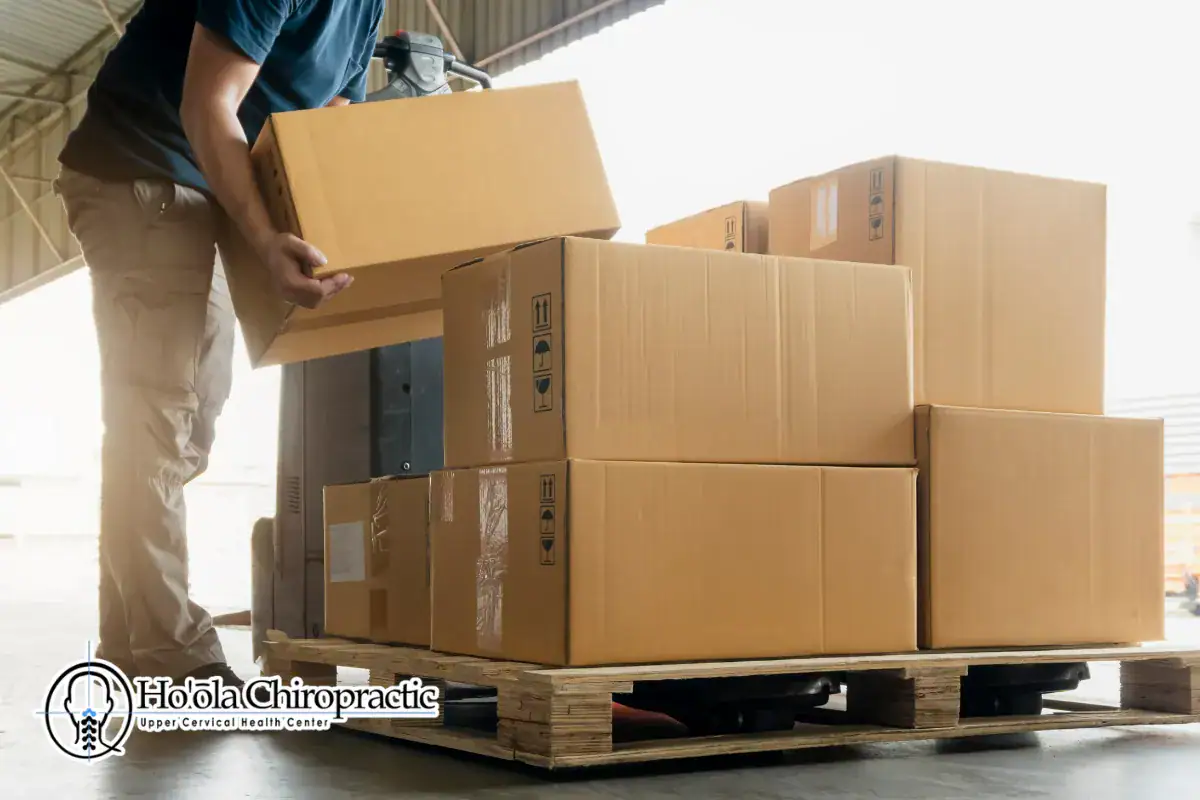
Many minor lifting injuries improve faster when patients combine home care with professional guidance. Pain from tweaking the back usually lasts less than two weeks for mild strains, especially when you take the right steps early.
Practical self-care steps
- Gentle activity is advised rather than prolonged bed rest after light lifting strains. Short walks and light movement maintain circulation and prevent added stiffness.
- Mild soreness can resolve with a day or two of gentle movement and rest. Avoid pushing into pain, but do not stay in bed all day.
- Applying ice packs can help relieve back pain during the first 24 to 48 hours. After that, warm packs or alternating between cold and heat can provide additional relief.
- Comfortable sleep positions make a difference. Lying on your back with a pillow under your knees takes pressure off the lumbar spine. Side-lying with a pillow between the knees works well too. Avoid sleeping face down, which extends and stresses the lower back.
Monitoring and caution
Track your pain on a simple 0-to-10 scale each day. Note what movements make it worse and what eases it. This log is helpful when you bring it to your appointment; listening to your body's signals and reporting them gives the chiropractor better data to work with.
Avoid lifting heavy objects, sudden twisting, or intense workouts until a professional clears you. Over-the-counter medication can take the edge off, but do not use high doses to mask severe pain and push through activities that aggravate the injury. If home remedies are not providing results after two days, that is a reason to schedule an evaluation rather than waiting longer.
Preventing Future Heavy Lifting Injuries in Everyday Honolulu Life
A few deliberate habits can stabilize your spine, reduce the load on vulnerable structures, and keep you out of the chiropractor's office for urgent pain relief visits.
Lifting mechanics and strength
Proper lifting techniques are recommended to prevent heavy lifting injuries. Bend at the hips and knees, keep the load close to your body, maintain a neutral spine, and pivot with your feet instead of twisting. These rules apply whether you are picking up a toddler, loading cargo, or moving furniture.
Regular exercise helps maintain muscle condition after back injuries. Focus on exercises that strengthen the core, glutes, hip flexors, and hamstrings. Flexibility training for the lower back and legs reduces stiffness that can lead to compensatory movement patterns and re-injury.
Workplace and lifestyle adjustments
- For Honolulu jobs involving loading, deliveries, or construction, use team lifts, carts, and hoists whenever available. Caregivers should receive training in body mechanics before regularly moving patients or heavy equipment.
- Take movement breaks during long drives or desk work. Even a two-minute walk and stretch every hour can break the cycle of spinal compression.
- Maintain a healthy weight, prioritize sleep quality, and manage stress. Chronic tension increases muscle guarding, which makes the back more vulnerable to strain.
- Exercising consistently, even on easy days, keeps the muscles conditioned and the joints mobile. This is one of the most reliable ways to prevent problems years down the line.
Regular chiropractic care through periodic checkups helps address small mobility restrictions, muscle imbalances, and early stiffness before they turn into bigger issues. A chiropractor can recommend adjustments to your routine based on how your spine is functioning, not just how it feels on a given day.
Back Pain Chiropractor in Honolulu, HI - Ho'ola Chiropractic
At Ho'ola Chiropractic, we treat people who have hurt their back lifting at work, at the gym, or at home. Our Honolulu office provides focused assessments, individualized chiropractic care, and gentle back pain adjustment options tailored to each person's comfort level and condition. We take the time to understand how the injury happened, what your day-to-day demands look like, and what type of treatment will produce the best result for your situation.
Our team uses spinal manipulation, soft-tissue techniques, and patient education to help our patients recover from lifting injuries and return safely to work, family activities, and recreation. As a back pain chiropractor serving Honolulu and surrounding areas, we are here to provide care that addresses the root cause, not just the symptoms.
Call our office at (808) 772-8284 or fill out our contact form to schedule your visit. Whether you are dealing with stiffness, pain, or limited movement after a heavy lift, we can help you begin recovery the right way.
Frequently Asked Questions
How soon after a lifting injury can I return to the gym?
Most patients with a mild lumbar strain can begin light, low-impact exercising within one to two weeks, provided pain has decreased and range of motion is improving. Returning too early to heavy loads or high-intensity sets risks re-injury. A good benchmark: if you can walk, climb stairs, and bend without sharp pain, you are likely ready for light activity such as bodyweight squats, cycling, or swimming. Ask your chiropractor for specific guidance before adding weighted movements. Gradually increasing load over several weeks is safer than jumping back to pre-injury numbers, and listening to how your body responds after each session prevents setbacks.
Is a back brace or lifting belt helpful after a lifting injury?
A brace or belt can provide temporary support during the acute phase, typically the first few days. It works by limiting certain movements and reminding you to maintain neutral posture. However, wearing one for weeks can weaken the very muscles your spine depends on for stability. Most chiropractors recommend transitioning away from braces as pain decreases and instead focusing on exercises that strengthen the core and lower back. If your job requires heavy lifting daily, a belt during high-load tasks may be reasonable, but it is not a substitute for proper form and conditioning.
How many chiropractic visits are typical for a lifting strain?
A common schedule for acute low back pain from lifting is two visits per week for about four weeks, totaling roughly eight sessions. One randomized trial used this frequency and found measurable improvement in pain and disability at the four-week mark. Some people with mild strains recover in fewer visits; others with more complex injuries or recurring episodes may need additional care. Your chiropractor reassesses progress every few visits and adjusts the plan. If objective improvement in pain, mobility, or daily function is not evident after two to four sessions, further evaluation or imaging may be recommended.
Does every lifting injury require an X-ray or MRI?
No. National clinical guidelines advise against routine imaging for acute, non-specific low back pain unless red-flag symptoms are present, such as significant neurological deficits, history of cancer, or recent major trauma. Most muscle strains and joint irritations heal without imaging. If your symptoms persist beyond about six weeks without meaningful improvement, or if new neurological signs like progressive numbness or weakness develop, imaging becomes appropriate to rule out disc herniation or other structural issues. Your chiropractor evaluates whether imaging is necessary based on your exam findings and symptom trajectory.
Can chiropractic care help if my back pain started weeks after the original lift?
Yes. Delayed-onset back pain after a lifting event is not unusual. A minor disc bulge or ligament sprain may produce minimal initial symptoms that worsen over time as inflammation builds or compensatory movement patterns put stress on other parts of the spine. Even if several weeks have passed, chiropractic adjustments, soft-tissue work, and targeted exercises can reduce pain and restore function. The treatment approach may differ from managing a fresh injury; your chiropractor will assess where you are in the healing process and adapt the plan. Addressing lingering pain sooner rather than later reduces the risk of chronic problems that can persist for years.
Disclaimer
This article provides general educational information and is not a substitute for personal medical advice. Consult a qualified healthcare professional in Honolulu for diagnosis and treatment of any back injury or related condition.
Read How to Choose the Right Back Pain Chiropractor in Honolulu, HI
