
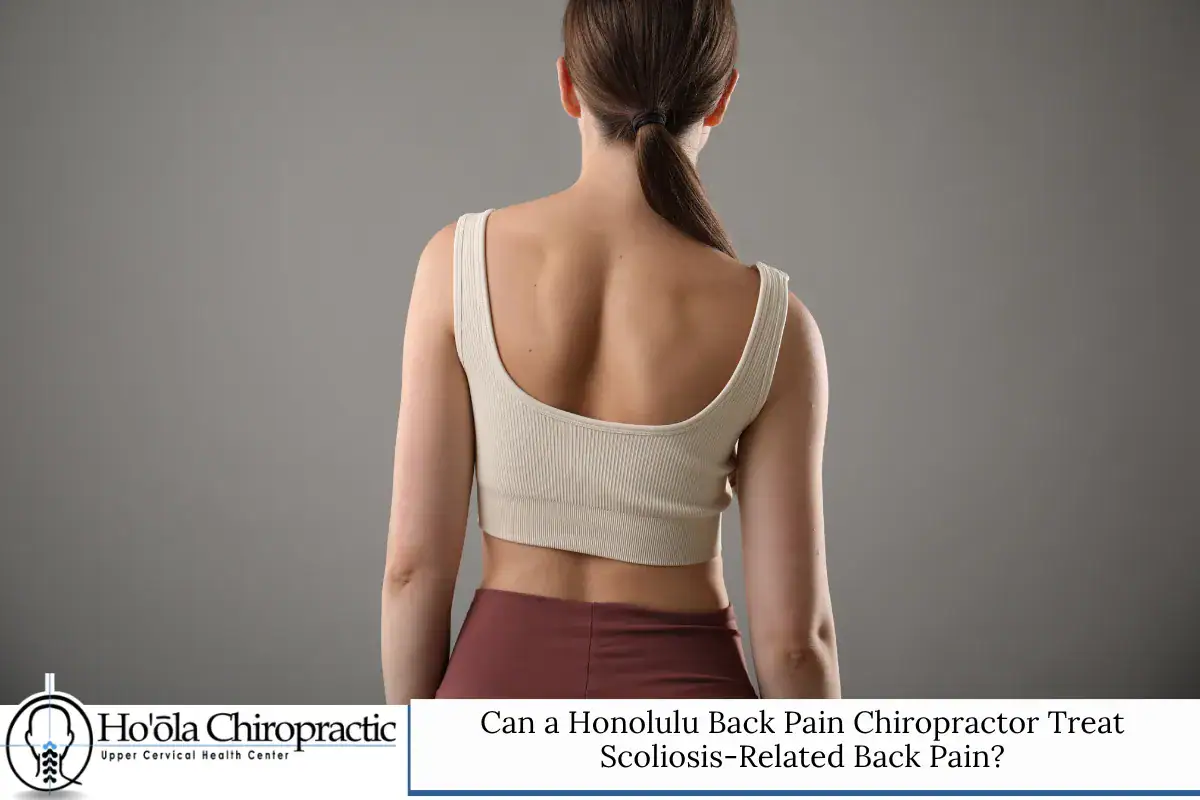
Finding a back pain chiropractor who genuinely understands scoliosis can feel overwhelming, especially when the discomfort affects your daily activities and well being. Scoliosis is a condition characterized by an abnormal curvature of the spine, and it affects millions of people across every age group. The aching, tightness, and fatigue it produces can make even routine tasks exhausting. Left unaddressed, the compensatory strain on muscles and joints tends to worsen over time. The good news is that chiropractic care offers a conservative, non-invasive path toward pain management and improved quality of life for many scoliosis patients in Honolulu. This article breaks down exactly what a chiropractor can and cannot do, what safe scoliosis treatment looks like, and how to choose the right provider for your unique needs.
Key Takeaways
- A Honolulu back pain chiropractor can often reduce scoliosis-related back pain, but chiropractic care cannot cure or reverse scoliosis or fully straighten a significant spinal curvature.
- Safe scoliosis care depends on a thorough evaluation, appropriate imaging such as x rays, and coordination with other healthcare providers when necessary.
- Customized chiropractic techniques, targeted exercise, and posture training form the foundation of a holistic approach to scoliosis management.
- Mild to moderate curves typically respond best to conservative chiropractic treatment, while severe or rapidly progressing scoliosis may require co-management with a spine specialist.
- Choosing an experienced chiropractor in Honolulu with scoliosis-specific training is essential for safe, effective treatment and long-term results.
How a Back Pain Chiropractor in Honolulu Approaches Scoliosis-Related Pain
Yes, many chiropractors in Honolulu can help manage scoliosis-related back pain. However, the focus is on symptom relief, functional improvement, and improving mobility rather than reversing or fully correcting the structural curve. Some patients with scoliosis find chiropractic care helps relieve associated back pain, although it does not correct the curve itself. Chiropractic adjustments are non-invasive and drug-free, making them an appealing option for people who want to avoid medications or surgery as a first step.
Scoliosis-related pain typically stems from secondary effects of the spinal curvature itself. Uneven loading compresses facet joints and intervertebral discs on one side while overstretching muscles and ligaments on the other. Nerve sensitivity around the curve can produce discomfort that radiates into the ribs, hips, or lower limbs. These mechanical problems respond well to hands-on conservative care when it is applied thoughtfully.
A chiropractic back pain treatment plan usually begins with a detailed patient history, physical examination, neurological and orthopedic tests, and a review of any prior imaging. Chiropractors in Honolulu provide conservative management for scoliosis-related pain within a clearly defined scope of practice. Under Hawaii law, chiropractors are authorized to evaluate neuromusculoskeletal conditions related to the spinal column, perform adjustments and mobilizations, use adjunctive modalities, and refer to medical specialists when red flags appear. Chiropractors should perform a comprehensive evaluation before treatment to determine the right course of action.
For most adults, realistic treatment goals include reduced pain, better mobility, improved posture awareness, and slowing functional decline. Mild to moderate scoliosis often responds best to care. Severe or rapidly progressing curves, or cases involving acute neurological symptoms such as numbness or tingling, generally require coordination with a spine specialist or orthopedic surgeon for co-management.
Understanding Scoliosis and Why It Causes Back Pain
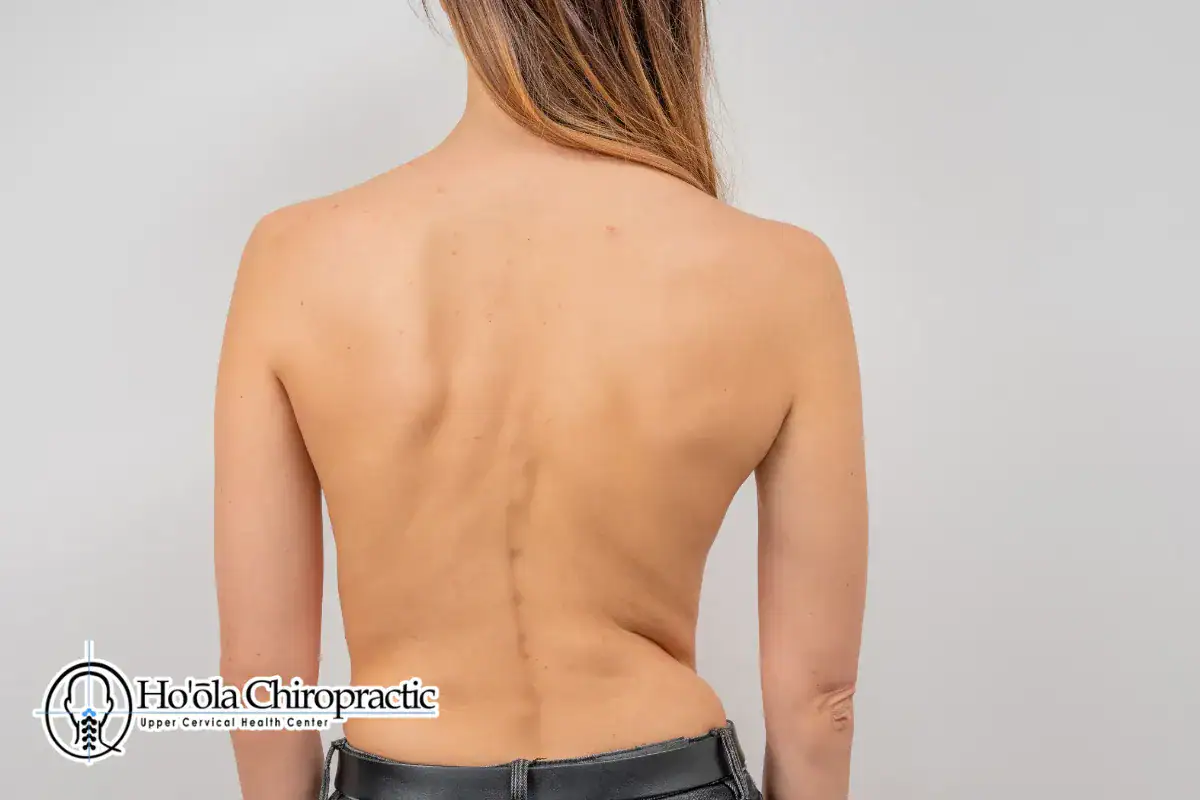
Scoliosis is a three-dimensional spinal curvature that typically presents as an "S" or "C" shape when viewed from behind. It involves lateral deviation, vertebral rotation, and changes in the normal front-to-back profile of the spine. The severity of the curve is measured in degrees using what is called a Cobb angle, typically assessed through standing x rays.
There are several types of scoliosis worth understanding:
- Idiopathic scoliosis, which most often appears during adolescence and has no identified cause
- Degenerative scoliosis, which develops in adults as spinal joints and discs wear down over time
- Congenital scoliosis, present at birth due to vertebral malformation
- Neuromuscular scoliosis, secondary to conditions that affect nerves and muscles
Scoliosis causes muscles to work harder to maintain posture, leading to muscle tension that compounds over time. Joints on the concave side of the curve are compressed, while ligaments and muscles on the convex side are chronically stretched. This creates a cycle of chronic pain, fatigue, and stiffness that can affect the entire musculoskeletal system.
Common scoliosis symptoms reported in Honolulu chiropractic clinics include mid- or low-back ache, one-sided muscle tightness, fatigue when standing or walking, and occasional discomfort radiating into the ribs or neck. Pain severity does not always match curve size. Some patients with smaller curves experience significant discomfort, while others with larger curves report only mild symptoms. Scoliosis can also affect breathing endurance, sleep comfort, and the ability to stay active, all of which a holistic approach to scoliosis care should address.
What Safe Chiropractic Care for Scoliosis Looks Like

Chiropractic care for scoliosis in Honolulu should be evidence-informed, gentle, and adapted to the individual. Factors such as age, bone density, curve pattern, and overall health all determine which chiropractic techniques are appropriate. Chiropractic care is generally safe for scoliosis when performed by licensed professionals who tailor their approach to each patient.
Rather than aggressive high-velocity thrusts directed at the apex of a rigid curve, safe practice involves a combination of low-force techniques, specific manual adjustments applied above or below the curve, soft-tissue work, and mobility exercises. Research evaluating immediate side effects across 189 scoliosis patients found that about 30 percent reported mild reactions such as muscle soreness or temporary stiffness, and roughly 5 percent felt temporarily worse. No serious adverse events like fractures or hospitalizations were reported.
Imaging plays a crucial role. X rays help measure the spinal curvature, establish a baseline, rule out serious underlying causes, and monitor changes over time. A chiropractor should also screen for red flags, including sudden neurological changes, severe unrelenting pain, unexplained weight loss, or signs of spinal cord compression. When these appear, prompt referral to a medical specialist is required.
Visit frequency commonly starts higher, such as one to two times per week, then tapers as pain decreases and the patient becomes more self-sufficient with home exercises. Informed consent is essential. Patients should understand realistic outcomes, the possibility of soreness after a back pain adjustment, and the importance of active participation between visits.
Core Chiropractic Techniques Used for Scoliosis-Related Back Pain

There is no single "scoliosis adjustment." Instead, an experienced chiropractor selects from several techniques based on the shape, location, and rigidity of the curve along with the patient's sensitivity and comfort.
Here are the primary methods used:
- Spinal mobilization involves slow, low-amplitude movements designed to increase joint range of motion around the curve. Chiropractors use spinal mobilization to gently restore motion in segments that have become restricted, and it is particularly suitable for older patients or those with osteoporosis.
- An activator is a spring-loaded device for low force spinal adjustments. This instrument-assisted approach delivers precise, controlled force to specific vertebral segments near the curvature where manual thrusts may be too uncomfortable.
- Targeted spinal manipulation is applied to segments above and below the most rotated vertebrae. Spinal manipulation enhances joint function and reduces nerve irritability, helping balance motion across the spine and relieve compensatory stress. Chiropractors employ techniques like spinal adjustments and traction therapy depending on the individual case.
- Myofascial release and trigger-point work address the tight, overworked muscles on the concave side and the overstretched, fatigued muscles on the convex side. Soft tissue therapy may relieve muscle spasms and improve comfort throughout the trunk and shoulders.
- Adjunctive therapies sometimes used in a chiropractic clinic include gentle traction, neuromuscular re-education drills, and posture-focused exercises that retrain body awareness and support better spinal health.
Chiropractic care focuses on improving biomechanical function and spinal mobility, and these techniques aim to restore balanced function rather than force a structural correction that the spine cannot safely accommodate.
Building a Personalized Treatment Plan for Scoliosis Care
A personalized treatment plan for scoliosis management means care designed around the patient's curve type, age, pain level, daily demands, and health history. Chiropractors use personalized treatment plans for scoliosis patients because no two spines present the same way, and no two patients have the same goals.
The chiropractor will set measurable goals. These might include walking for a set duration without pain, sitting more comfortably at work, reducing reliance on medications, or improving range of motion in the thoracic or lumbar spine. Personalized care plans typically include several key components:
- In-office chiropractic treatment at a frequency matched to the patient's current severity
- Home-based stretching and strengthening routines
- Ergonomic modifications for work and sleep
- Periodic re-evaluations with updated measurements or imaging
The plan may also include collaboration with physical therapy for core stability, balance work, and scoliosis-specific exercise protocols. Regular chiropractic visits can enhance daily life for scoliosis patients by maintaining the progress achieved during active treatment phases. Chiropractic care supports overall well being and spinal health, but maintenance visits and continued exercises are what prevent relapse and help manage degenerative changes over months and years. Treatment intensity and techniques may change over time as the patient's response, age-related changes, or imaging findings evolve. A good plan is never static.
Combining Chiropractic Care with Exercise and Lifestyle Changes

Research and clinical experience consistently support combining chiropractic care with targeted exercise and healthy lifestyle habits for the best scoliosis outcomes. Specific exercise programs may strengthen core and back muscles to support spinal posture, and this active component is often what separates good results from great ones.
Key exercise and lifestyle strategies include:
- Core-strengthening exercises that stabilize the spine, along with hip and shoulder mobility work to balance the entire kinetic chain
- Posture training and body-mechanics coaching so patients can sit, stand, and lift in ways that minimize strain on their spinal curvature during daily activities
- Maintaining a healthy body weight, using appropriate pillows and mattresses, and pacing activities to avoid flare-ups of back pain
- Gentle activities such as walking, swimming, or low-impact workouts that support spinal health and reduce chronic pain without overloading the joints
Stress management, sleep quality, and overall conditioning all influence pain perception and resilience in people living with scoliosis. Patients report improved quality of life after chiropractic care when it is combined with these lifestyle modifications, and the benefits tend to be more durable than passive treatment alone. Chiropractic care can improve mobility and reduce pain, but the patient's effort outside the clinic is what sustains those gains. Even something as significant as recovery from a car accident can benefit from this combination of professional care and active rehabilitation when spinal curvature is involved.
How to Choose the Right Chiropractor in Honolulu for Scoliosis Treatment

Not every chiropractor focuses on scoliosis, so finding the right chiropractor matters. Choose a chiropractor experienced in managing scoliosis cases, and look for someone who has specific training with spinal curvature and chronic pain conditions.
Here are practical steps for selecting a provider:
- Verify credentials and focused experience or post-graduate training in scoliosis management, including relevant continuing education
- Ask how often they treat scoliosis patients and what tools they use to track progress over time
- Read reviews or ask for patient testimonials from people with similar conditions
- Schedule a consultation to discuss your condition and goals before committing to a full treatment plan
- Ask specific questions, such as how the chiropractor decides when to order x rays or refer to another healthcare provider
The right chiropractor will provide a thorough initial assessment, explain findings in understandable terms, and offer a phased treatment plan rather than open-ended visits without reassessment. Clear communication, realistic expectations, and a respectful approach that invites patient input are all signs of a quality chiropractic clinic. Feeling comfortable and supported is essential to sticking with long-term scoliosis care and getting the several benefits that consistent, well-managed treatment offers. The effectiveness of any treatment depends heavily on the relationship between patient and provider.
Back Pain Chiropractor in Honolulu, HI - Ho'ola Chiropractic
At Ho'ola Chiropractic, we understand that living with scoliosis-related back pain can limit your life in ways that others may not see. Our Honolulu chiropractic clinic focuses on safe, individualized care that combines gentle back pain adjustment techniques, exercise guidance, and patient education to help you manage your scoliosis symptoms and get back to the activities you enjoy.
We are located in Honolulu, Hawaii, and we also service the surrounding areas, making it convenient for residents across the region to access experienced scoliosis care without a long commute. Our team prioritizes careful evaluation, appropriate imaging referrals, and coordination with other therapies and healthcare providers when needed so that every patient receives comprehensive support.
If scoliosis-related discomfort has been holding you back, we invite you to call us at (808) 772-8284 or fill out our contact form to schedule a consultation. Let Ho'ola Chiropractic help you move with more comfort, better posture, and greater confidence in your day-to-day wellness.
Frequently Asked Questions
How Soon Should I See a Chiropractor After Being Diagnosed with Scoliosis?
Adults with newly identified scoliosis can usually schedule a chiropractic evaluation soon after diagnosis, especially if back pain or stiffness is already present. Early conservative care helps manage symptoms, improve mobility, and establish a functional baseline before pain becomes deeply entrenched or compensatory problems develop in the hips, shoulders, or ribs. If your diagnosis came from imaging that reveals a severe or rapidly progressing curve, bring those results to your appointment so the chiropractor can determine whether co-management with a spine specialist is appropriate. Waiting until pain becomes disabling often limits your options. Earlier assessment typically allows for gentler, more conservative intervention and better long-term planning for your spinal health.
Can Chiropractic Care Prevent My Scoliosis from Getting Worse?
Chiropractic care cannot guarantee that scoliosis will not progress, particularly in cases driven by degenerative changes, structural conditions, or ongoing skeletal growth. However, consistent care that includes adjustments, exercise, and posture work may help reduce mechanical stress on the spine and support better function, which can sometimes slow functional decline. Curve progression depends on multiple factors including age, type of scoliosis, bone health, and genetics, so each case is different. Regular re-evaluations and periodic imaging, when appropriate, help monitor changes over time and allow the chiropractor to adjust the treatment plan accordingly. Honest tracking of progress is a hallmark of responsible scoliosis management chiropractors provide.
Is It Safe to Receive Chiropractic Adjustments If I Have Osteoporosis and Scoliosis?
Patients with osteoporosis and scoliosis can often receive chiropractic care, but techniques must be modified to protect fragile bones. The chiropractor should review bone-density reports, fracture history, and current medications before deciding which methods are appropriate. High-velocity thrust adjustments are contraindicated for areas with severe osteoporosis; care is instead focused on gentle mobilization, low-force instrument-assisted techniques, soft-tissue therapy, and tailored exercises. These low-force approaches can still provide meaningful relief from discomfort and pressure without putting compromised bone at risk. Communication is key. Make sure your chiropractor has a complete picture of your health so that every session is tailored safely to your specific condition and any limitations your bones may present.
Will I Need Chiropractic Care for the Rest of My Life If I Have Scoliosis?
Many people with scoliosis choose long-term periodic chiropractic care because it helps them manage pain, maintain motion, and stay active. That said, the exact duration and frequency are always individualized. After an initial phase of more frequent visits, most patients transition to maintenance care, perhaps monthly or occasional sessions combined with ongoing home exercises. The goal is to help you become as self-reliant as possible, using posture strategies, strengthening routines, and ergonomic habits to support your daily function between visits. Patients and chiropractors should revisit goals regularly to decide whether to continue, reduce, or pause care based on current needs, response, and any changes in the spinal curvature over time.
What Should I Bring to My First Scoliosis Appointment with a Honolulu Chiropractor?
Preparing for your first visit helps the chiropractor develop an accurate picture of your condition right away. Bring any recent x rays or MRI reports, prior treatment notes from other providers, and a written list of current medications and supplements. Prepare a brief history of your back pain that covers when it started, what makes it better or worse, and any past injuries or surgery. Wear loose, comfortable clothing that allows the chiropractor to assess your posture, gait, and spinal movement without restriction. Write down your questions in advance, such as expected recovery timelines, visit frequency, home-care recommendations, and how progress will be measured, so nothing important is forgotten during the evaluation and consultation.
Disclaimer
This article is for educational purposes only and does not constitute personal medical advice. Readers should consult a qualified healthcare provider in Honolulu for diagnosis, treatment decisions, and guidance specific to their condition.
Read Does Chiropractic Care Help Arthritis? Insights from a Back Pain Chiropractor in Honolulu, HI