


Meniere's Disease Chiropractic Care is one of the most searched topics among people living with unpredictable vertigo attacks, ringing in the ear, and the constant fear of the next episode. If you have been told you have this condition, you already know how it feels when the room suddenly spins without warning, when your confidence about driving or even walking near the ocean shrinks, and when standard medications only take the edge off. You are not alone in asking whether carefully planned chiropractic care in Honolulu could be a safe, helpful piece of the puzzle. This article walks through how the condition works, why the cervical spine matters, what safety protocols should look like, and how to choose a provider you can trust. Everything here is educational, evidence-informed, and built around the idea that coordination with your ENT and primary care doctor is essential.
How Meniere's Disease Disrupts Daily Life in Honolulu
Living with unpredictable symptoms changes everything. In Honolulu, where ocean activities, outdoor work, and driving along winding coastal roads are part of the routine, severe vertigo can make even simple tasks feel risky. Sudden spinning attacks paired with nausea, muffled hearing, and sensitivity to motion can force people to cancel plans, leave work early, or avoid social situations entirely.
Common symptoms of Meniere's disease include:
- Intense spinning episodes lasting minutes to hours
- Balance problems and post-attack fatigue
- Tinnitus and aural fullness in the affected ear
- Fluctuating hearing loss that may worsen over time
- Sensitivity to motion, crowds, and bright environments
Weather shifts, high humidity, stress, and dehydration can sometimes worsen symptoms in tropical climates. The emotional weight is real too. Anxiety about the next episode, frustration when various treatments fall short of lasting relief, and the feeling of losing control over your own body push many patients to explore non-drug options. That search often leads to chiropractic treatment as part of a broader management plan.
What Is Meniere's Disease? The Inner Ear Problem Behind the Spinning

Ménière's disease is a chronic condition of the inner ear that affects both balance and hearing, and it usually starts in only one ear. The disease involves the inner ear structures, specifically the cochlea and vestibular system, which work together to process sound and maintain your body's balance systems.
At the core of the problem is a condition called endolymphatic hydrops, an abnormal buildup of fluid inside the labyrinth of the inner ear. When pressure from this fluid buildup rises, it can trigger vertigo attacks, tinnitus, hearing loss, and a sensation of fullness or pressure in the affected ear. Vertigo attacks can last from 20 minutes to several hours, leaving patients exhausted afterward.
Meniere's disease affects about 0.1% of the population and typically starts between ages 20 and 50. The exact cause remains unclear, though research points to a combination of fluid drainage problems, prior infections, autoimmune factors, changes in blood flow, genetic predisposition, and sometimes neck trauma or head injuries. Hearing loss may become permanent if untreated, which is why early and accurate diagnosis matters. That diagnosis should always come from a qualified medical provider, such as an Ear, Nose, and Throat specialist, using patient history, hearing tests like auditory brain stem response evaluations, speech discrimination testing, and appropriate imaging when needed.
It is also important to distinguish Meniere's symptoms from other vestibular conditions, since several disorders share overlapping features but require different treatment options.
The Cervical Spine–Inner Ear Connection: Why Chiropractors Talk About Your Neck

The cervical spine is the uppermost portion of the spinal column, and the upper cervical region where C1 and C2 sit is especially significant. These two vertebrae are positioned directly beneath the brain stem and near major blood vessels that supply the brain and inner ear. Even small disruptions here can have outsized effects.
Upper cervical spine misalignment can disrupt inner ear function by altering nerve signaling pathways and potentially affecting cerebrospinal fluid drainage. Misalignments in the upper cervical spine, sometimes described as vertebral subluxation, can affect blood flow through the vertebral arteries and change the proprioceptive input that the nervous system relies on for spatial orientation. When the brain receives conflicting signals from the neck, eyes, and inner ear, dizziness and imbalance may follow.
Cervical spine dysfunction may lead to Meniere's disease symptoms or amplify existing ones, particularly in patients who have a history of cervical spine trauma, whiplash, or postural strain. Chiropractic care focuses on addressing upper cervical spinal restrictions, which may improve neuromuscular signaling and localized biomechanics that influence balance pathways. Research suggests that addressing upper cervical dysfunction can reduce vertigo episodes and improve nervous system function and stability in some patients, though further research is still needed.
That said, neck issues represent one possible contributing factor among many. The underlying inner ear pathology must still be medically evaluated and managed by the appropriate specialist.
Is Chiropractic Treatment Safe for People with Meniere's Disease?

The direct answer is yes, often, when performed by a licensed upper cervical chiropractor using gentle, evidence-aligned methods after proper screening. No procedure is entirely without risk, but the profile for well-delivered care is reassuring.
Safety starts with a detailed history and ruling out red flags such as stroke-like signs, sudden severe headache, acute infection, or spinal cord compromise. Upper cervical chiropractic adjustments carry specific safety considerations for individuals with Meniere's disease, and safety depends heavily on a thorough pre-adjustment health screening before any hands-on work begins.
There is an important distinction between technique types. High-velocity neck manipulation carries a risk of vertebrobasilar insufficiency or arterial dissection, though this remains rare. All neck manipulation carries inherent risks, including the rare risk of vertebral artery dissection. In contrast, gentle low-force techniques minimize sudden vestibular provocation during chiropractic treatment, making them far more appropriate for patients already dealing with vertigo symptoms.
Common, mild side effects of an adjustment include temporary soreness, brief fatigue, or slight stiffness that typically resolves within a day or two. Serious complications are uncommon, especially with careful case selection.
Observational studies and clinical reports suggest that some patients with vertigo-related complaints report functional improvements following upper cervical chiropractic care, though response rates vary and care is not a cure. While promising, these numbers should be interpreted carefully, and chiropractic adjustments can improve symptoms of Meniere's disease without being considered a standalone cure. Chiropractic treatment may also alleviate symptoms like tinnitus and aural fullness in some cases.
If you are exploring this option in Honolulu, look for practitioners who are transparent about risks, explain every procedure before performing it, and welcome your questions about safety.
How a Safety-Focused Chiropractor Evaluates Meniere's Disease Patients

A careful first visit is the foundation of safe care. Before any adjustment happens, a responsible provider needs to understand your full clinical picture.
Key history points include:
- Timing, duration, and severity of vertigo attacks
- Hearing changes and which ear is involved (left ear, right ear, or both)
- Prior diagnoses and medical conditions
- Any head injuries or neck trauma
- Cardiovascular risk factors and blood pressure readings
- Current medications, especially anticoagulants
- Previous imaging or test results
The physical exam should include balance tests, eye movement checks, cervical range of motion assessment, cervical signs evaluation, and neurological screening. Cervical spine radiographs may be taken in-office to assess alignment, while MRI or other advanced imaging ordered by a medical provider can rule out serious pathology when indicated.
In Honolulu, a chiropractor must refer to or co-manage with medical professionals when findings suggest stroke, tumors, infection, spinal cord involvement, or other non-musculoskeletal causes of the patient's symptoms. This is both a professional obligation and a requirement under Hawaii healthcare regulations.
Read What Results Can I Expect From Meniere's Disease Chiropractic Care in Honolulu, HI?
What Gentle Upper Cervical Chiropractic Care Typically Looks Like
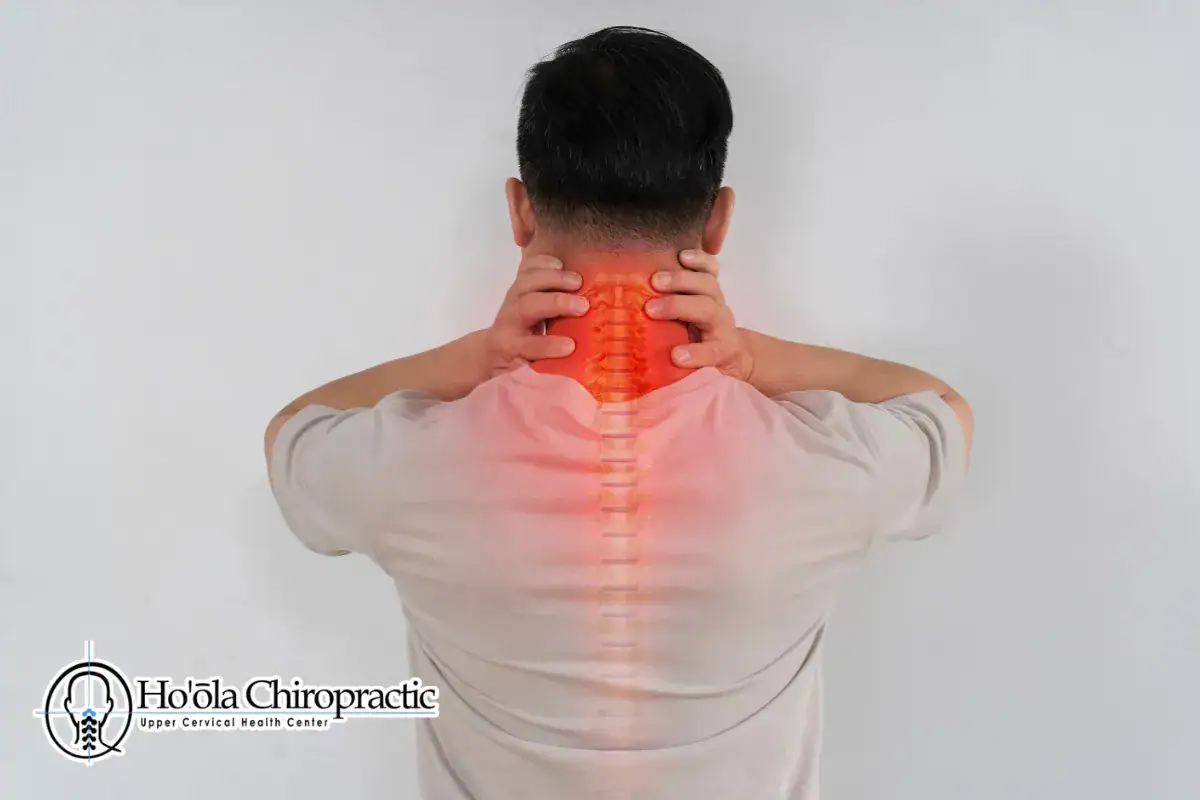
Upper cervical chiropractic care zeroes in on the atlas (C1) and axis (C2), aiming for precise, low-force adjustments rather than heavy rotational force. Upper cervical chiropractic care is generally safe and gentle, and chiropractic adjustments use minimal force to avoid aggravating symptoms.
Here is what a typical session involves:
- Pre-adjustment measurements and review of imaging to determine the exact vector, angle, and force needed
- Positioning the patient comfortably, usually lying on their side or face-up
- Delivering the adjustment using table-assisted drops, instrument-based impulses, or precise hand contact without twisting motions
- A short rest period afterward to let the nervous system adapt
- Post-adjustment balance and symptom check before the patient leaves
Many practitioners advocate for low-force chiropractic techniques rather than high-velocity adjustments, especially for patients with dizziness. Rapid head movement can temporarily aggravate vestibular symptoms in Meniere's disease patients, so controlled, measured corrections are preferred. Upper cervical chiropractic adjustments target spinal alignment and nerve function without the dramatic rotational thrust that many people associate with neck work. Cervical spine rehabilitation exercises and soft tissue trigger point therapy may also be incorporated to support the adjustment and address surrounding muscle tension. Tissue trigger point therapy around the neck and shoulders can help relieve chronic neck pain that often accompanies cervical dysfunction.
The goal is improved spinal alignment, better neuromuscular control, and more stable nervous system function over time, not simply cracking the neck.
Integrating Chiropractic Care with Medical Treatment for Meniere's Disease

Managing Meniere's disease most effectively happens when chiropractic care complements established medical approaches rather than replacing them. The American Academy of Otolaryngology does not establish chiropractic manipulation as a treatment for Meniere's disease, and chiropractic care has not been established as a medical treatment for this condition. Relying solely on chiropractic care can delay proper medical evaluation.
Standard medical treatment strategies include:
- Dietary changes, particularly reducing high salt intake
- Medications such as diuretics or vestibular suppressants during acute attacks
- Vestibular rehabilitation for chronic imbalance
- Hearing support devices for the affected ear
- In severe cases, intratympanic injections or surgical intervention
Referrals from healthcare providers may include dietary changes, medication, and vestibular rehabilitation as part of a comprehensive treatment plan. Spinal adjustments do not alter inner ear fluid dynamics or cure Meniere's disease. However, chiropractic care may alleviate vertigo symptoms in some patients and can reduce vertigo episodes by supporting posture, reducing pressure on cervical structures, improving proprioceptive input, and easing the burden on balance pathways.
Chiropractic care should be coordinated with an Ear, Nose, and Throat specialist for Meniere's disease. Keep all providers informed about every treatment you are receiving to avoid medication conflicts and ensure coordinated decision-making.
Sudden changes in symptoms, such as new severe headache, slurred speech, weakness, or double vision, require immediate emergency medical attention, not an adjustment.
Lifestyle, Posture, and Self-Care Strategies That Support Lasting Relief
Cervical spine health and inner ear function are both influenced by everyday habits, posture, and stress levels. Small adjustments in routine can make a measurable difference in managing Meniere's disease over time and supporting symptom relief between visits.
Practical recommendations include:
- Setting up an ergonomic workspace that reduces prolonged forward head posture from phones and laptops
- Moderating salt intake if medically appropriate, since sodium can affect fluid buildup
- Staying well hydrated, especially in warm Honolulu weather where dehydration and heat can worsen symptoms
- Getting adequate sleep and practicing relaxation techniques such as controlled breathing or gentle yoga
- Being mindful of rapid position changes and overexertion, both of which can aggravate dizziness
- Incorporating lifestyle changes gradually so the body adapts without triggering flare-ups
Chiropractors may prescribe simple home exercises and balance drills to complement in-office care and strengthen the body's balance systems. These might include cervical spine rehabilitation exercises, gentle range-of-motion work, and stability training designed to enhance nervous system resilience and help patients regain control over daily life.
Who Is (and Is Not) a Good Candidate for Meniere's-Focused Chiropractic Care

Not every person with vertigo should receive neck adjustments. Safety depends entirely on individual risk factors, and a thorough evaluation determines candidacy.
Better candidates typically have:
- A medically confirmed Meniere's disease diagnosis
- Stable cardiovascular status and manageable blood pressure
- No signs of acute neurological emergency
- Tolerance for gentle hands-on care
- Cervical dysfunction contributing to their symptom burden
Situations where adjustments should be delayed or avoided include suspected stroke, acute cervical spine trauma, spinal infection, unstable fractures, or active inflammation near the spinal cord. Relative cautions apply for patients with osteoporosis, certain connective tissue disorders, severe anxiety about manual care, or those taking high-risk medications. In these cases, technique choice may change, or medical clearance may be required first.
Shared decision-making is essential. The chiropractor and patient should review risks, benefits, and alternatives together before proceeding with any treatment plan.
Choosing Safe, Skilled Honolulu Chiropractic Care for Meniere's Symptoms

Provider choice directly influences both safety and outcomes for people dealing with vertigo and balance issues. Here are concrete steps for vetting a provider:
- Verify Hawaii licensure through the state's Department of Commerce and Consumer Affairs
- Ask about additional training in upper cervical chiropractic techniques
- Inquire about experience with dizziness, inner ear disorders, and vestibular conditions
- Find out how the clinic coordinates with ENTs, audiologists, and primary care physicians
- Choose a chiropractic clinic that schedules enough time for thorough assessment and explains imaging findings in plain language
Honolulu chiropractic care providers must operate within the scope defined by Hawaii Administrative Rules, which authorize vertebral adjustment, mobilization, and treatment of spinal and musculoskeletal structures but do not permit prescribing medication or performing surgery. A responsible provider sets realistic expectations about progress and frames chiropractic care as one pillar of a broader, long-term approach to managing Meniere's disease, not a one-visit quick fix.
Meniere's Disease Chiropractic Care in Honolulu, HI - Ho'ola Chiropractic
At Ho'ola Chiropractic, we understand how overwhelming it can be to live with Ménière's disease and the uncertainty that comes with every vertigo episode. Our Honolulu chiropractic clinic carefully evaluates the cervical spine, nervous system, and full health history before recommending any Meniere's Disease Chiropractic Care plan. We emphasize precise, low-force upper cervical care, posture coaching, and active collaboration with your medical providers to support real symptom management. We never promise a cure, and we never rush your evaluation. If you are in Honolulu or the surrounding areas and want to explore whether gentle adjustments could be part of your strategy, call us at (808) 772-8284 or fill out our contact form to schedule a consultation. At Ho'ola Chiropractic, we prioritize safety, clear communication, and individualized care pathways designed to fit your comfort level and daily life.
Frequently Asked Questions
Can I Drive Myself Home After a Chiropractic Visit for Meniere's Disease?
Many patients can drive after gentle upper cervical care, but the decision is individualized based on your baseline dizziness, how you respond to the session, and your overall comfort level. At your initial visit, it may be wise to arrange a ride or have someone available in case you feel different afterward or experience temporary fatigue. A responsible chiropractor will always reassess your balance and orientation before you leave the office, especially when vertigo is part of your clinical picture. If you feel unsteady, disoriented, or visually off after any session, rest in the office until those sensations pass. Over time, most patients learn how their body typically responds and plan visit timing and transportation accordingly.
Will Adjustments Make My Vertigo Worse Before It Gets Better?
A temporary shift in dizziness is possible as your body adapts to a new cervical alignment, but any change should be mild and short-lived when care is delivered appropriately. A skilled practitioner introduces changes gradually, monitoring your response and adjusting visit frequency or technique if flares occur. Sudden, intense worsening of vertigo, new neurological symptoms, or severe headache, numbness, or speech changes are red-flag indicators that require immediate emergency medical evaluation rather than further adjustment. Keeping a simple symptom log between visits helps both your chiropractor and physician refine the treatment plan. Open communication about any symptom increase is vital to maintaining safety and ensuring your care stays on the right track.
How Many Sessions Do People with Meniere's Typically Need?
There is no fixed number of visits because needs vary based on symptom duration, cervical findings, age, and overall health. Care often begins with a more frequent phase focused on establishing better alignment, followed by less frequent maintenance visits if improvements are observed. Progress is usually assessed by tracking vertigo frequency, ear pressure, hearing stability, neck comfort, and balance over several weeks. Some patients notice early changes within the first few sessions, while others need a longer trial period before benefits become clear. A good treatment plan is revisited regularly, and continuing care should always be a shared decision between patient and clinician based on measurable outcomes.
Can I Exercise Normally While Receiving Care for Meniere's?
Light to moderate movement is often helpful for circulation and balance, but intensity and type of exercise should match your current stability and any medical advice you have received. During unstable phases of the condition, activities with high fall risk like ladder work, heavy lifting, or contact sports may need to be modified. Your chiropractor can suggest safe options such as gentle walking, recumbent cycling, gentle yoga, or supervised balance exercises tailored to your situation. Always coordinate with your medical providers regarding any restrictions linked to medications or cardiovascular conditions. The goal is gradual, sustainable activity that supports rather than aggravates your vestibular system and other symptoms.
Does Insurance Usually Cover This Type of Care?
Coverage varies widely by insurance plan, employer benefits, and specific policy language regarding chiropractic services. Contact your insurer directly and ask about visit limits, copays, deductibles, and whether a referral from a primary physician is required before starting. Some plans cover care when vertigo or neck pain is coded as a musculoskeletal complaint, while others impose strict visit caps. Ask the office staff for help verifying your benefits before committing to a care plan so there are no financial surprises. Even with coverage, out-of-pocket costs can occur, so patients should weigh financial considerations alongside expected clinical benefit and the value of reducing pressure from ongoing symptoms.
Disclaimer: This article is for general educational purposes only and does not constitute personalized medical advice, diagnosis, or treatment. Always consult qualified healthcare professionals, including your physician and ENT specialist, before starting, stopping, or modifying any chiropractic or medical care for Ménière's disease.
