

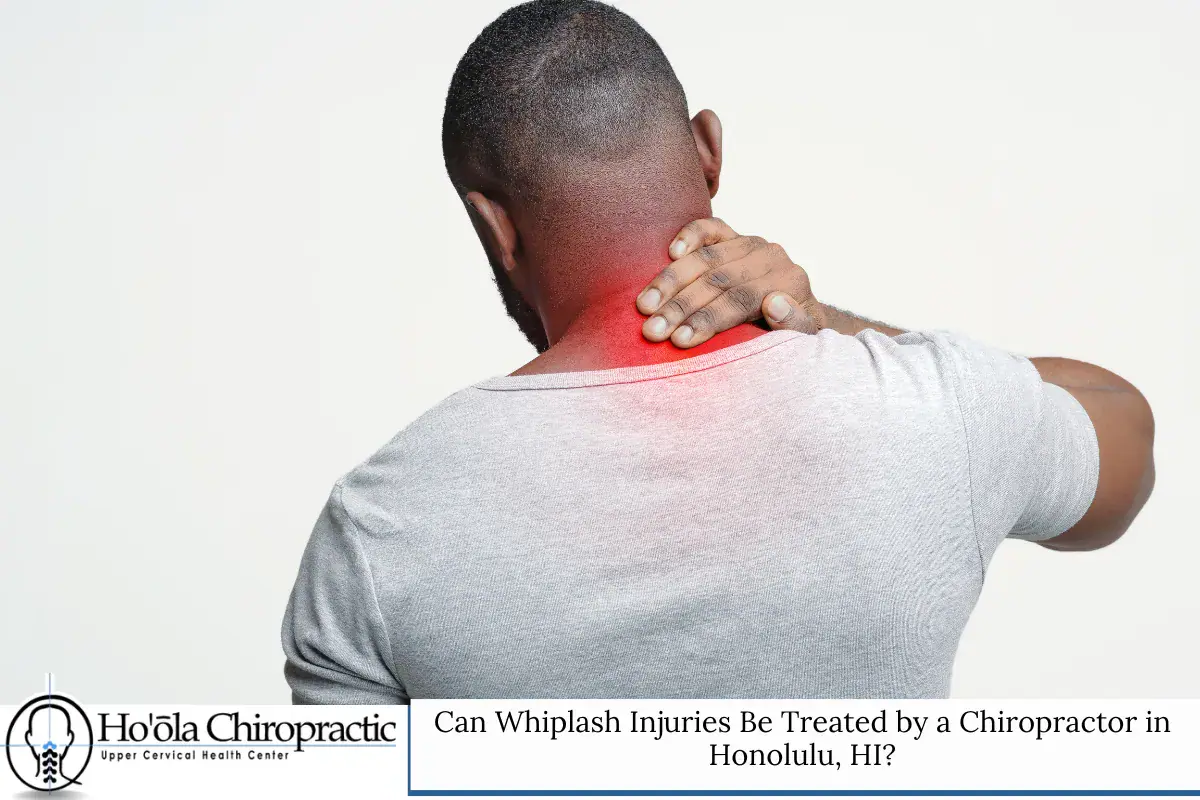
Can a Chiropractor Really Help With Whiplash?
If you have been searching for a chiropractor in Honolulu, HI who can help with a whiplash injury, the short answer is yes. A sudden car accident or a hard hit during a weekend game can leave you with neck pain, headaches, and a stiffness that makes turning your head feel impossible. Sleep suffers. Work becomes harder. Daily activities you once took for granted now come with discomfort.
What makes it worse is that symptoms of whiplash can appear days after an injury, leaving you wondering whether the problem is serious or will just go away on its own. Imaging might come back looking normal, and pain medication only masks what is happening underneath.
Chiropractic treatment offers a non-surgical, drug-free path forward. It focuses on restoring healthy movement in the cervical spine, reducing inflammation, and supporting the body through each phase of recovery. This article covers how whiplash develops, how professionals evaluate it, what whiplash treatment looks like in practice, and when to seek care.
Key Takeaways
- A chiropractor in Honolulu, HI can often treat whiplash safely and effectively after proper medical screening rules out fractures or serious spinal instability.
- Whiplash commonly follows a car accident or sports injuries and may cause neck pain, headaches, and stiffness that appear hours or days after the initial impact.
- Chiropractic care for whiplash typically includes a thorough examination, gentle early-phase therapies, and later chiropractic adjustments designed to restore motion and alignment.
- Many patients experience meaningful pain relief, improved mobility, and reduced risk of chronic symptoms when they follow a structured, individualized treatment plan.
- Timely evaluation, consistent attendance at scheduled visits, and commitment to at-home corrective exercises are key to achieving better long-term outcomes.
What Exactly Is Whiplash and How Does It Affect the Neck?

Whiplash is caused by rapid head and neck movement, typically a sudden back-and-forth motion that forces the cervical spine beyond its normal range. The term covers an acceleration-deceleration mechanism of energy transfer, most often associated with rear-end collisions but not limited to them.
Here is what happens inside the neck during that split-second impact:
- The muscles and ligaments in the front and back of the neck stretch or tear at a microscopic level, leading to inflammation and muscle tension.
- Facet joints along the spine can become sprained or jammed, restricting movement.
- Intervertebral discs may bulge or sustain small tears under the sudden force.
- Nerves exiting the cervical spine can become irritated or compressed, producing tingling, weakness, or radiating shoulder pain.
Whiplash injuries can affect multiple body parts beyond the neck. Clinicians refer to the broader condition as whiplash-associated disorders, graded from 0 to 4 based on severity. Grade 1 involves pain and neck stiffness without observable physical signs. Grade 2 adds musculoskeletal findings. Grade 3 includes neurological signs, and Grade 4 involves fracture or dislocation.
The daily-life impact is significant. People dealing with whiplash often report trouble sleeping due to discomfort, difficulty driving or checking blind spots, inability to sit comfortably at a desk, and limits on lifting, exercising, or even holding their head upright for long periods.
Common Causes and Symptoms of Whiplash in Honolulu Residents
Living in Honolulu means navigating congested roadways, spending time in the ocean, and often participating in physical activities year-round. Each of these comes with its own risk profile for neck injury. Whiplash commonly arises from rear-end auto accidents, which remain one of the leading causes across the state. But high-impact sports can also cause whiplash injuries, whether from a tackle on the football field, a wipeout while surfing, or an unexpected fall during outrigger paddling.
Common causes include:
- Rear-end and side-impact vehicle collisions
- Sudden stops or swerves in traffic
- Contact sports such as football, rugby, or martial arts
- Falls from height or on slippery surfaces
- High-velocity ocean sports and recreational activities
The hallmark symptoms that follow these events include:
- Persistent neck pain and restricted movement
- Headaches concentrated at the base of the skull
- Shoulder and upper back discomfort
- Jaw tension or soreness
- Fatigue, dizziness, or vertigo
- Muscle spasms along the neck and shoulders
- Tingling or weakness radiating into the arms
One detail that catches many people off guard is timing. Symptoms of whiplash can appear days after an injury, not just immediately. You might walk away from a fender bender feeling fine, only to wake up two mornings later with severe stiffness and a pounding headache. This delay is why professionals recommend evaluation even after what seems like a minor accident.
If you experience any red-flag symptoms such as severe weakness in your limbs, loss of consciousness, difficulty walking or maintaining balance, or loss of bladder control, go directly to an emergency department. These signs may indicate spinal cord involvement or other serious pathology that requires immediate medical attention rather than initial chiropractic care.
How Chiropractors in Honolulu Approach Whiplash Evaluation

Before any hands-on treatment begins, a chiropractor must follow professional standards established under Hawaii law. The initial evaluation often includes injury history and a thorough physical examination to determine the nature and severity of the problem.
During intake, expect questions about:
- How the injury occurred and how much force was involved
- When symptoms first appeared and how they have changed
- Any prior neck or back issues
- Current medications and existing health conditions
- How the injury is affecting your work, sleep, and lifestyle
The physical exam itself covers several areas:
- Posture assessment to identify imbalances or guarding patterns
- Palpation of the neck, upper back, and shoulder muscles to locate tenderness, swelling, or muscle tension
- Active and passive range of motion testing to measure how far the neck can move comfortably
- Neurologic checks including reflexes, grip strength, and sensory distribution in the arms and hands
- Specific joint mobility tests to identify which segments of the cervical spine are restricted
When clinically indicated, x rays or other diagnostic imaging may be ordered to rule out fractures, dislocations, or other structural damage. Hawaii law under Chapter 442 authorizes chiropractors to perform these evaluations and a range of adjunctive procedures within their defined scope of practice. If red flags are present or the injury appears beyond the scope of conservative management, a responsible practitioner will refer you to the appropriate medical specialist.
The findings from this examination guide a personalized approach. Chiropractors create personalized treatment plans for whiplash injuries based on the specific grade, the tissues involved, and the patient's overall health and activity goals.
Chiropractic Whiplash Treatment Methods Used in Honolulu

Once the evaluation is complete, a chiropractor can often treat whiplash through a phased, non-invasive approach that progresses as the body heals. Chiropractors utilize a multi-modal approach to treat whiplash injuries, combining hands-on techniques with therapeutic modalities and patient education.
Early-Phase Care
During the first days and weeks after injury, the emphasis is on calming acute inflammation and avoiding further irritation. Chiropractors use gentle therapies to reduce inflammation and tension during this stage. Typical strategies include:
- Application of ice or cold packs to control swelling
- Gentle joint mobilization rather than forceful thrusts
- Soft tissue therapy to address severe muscle spasms and inflammation in the neck and shoulders
- Patient education on rest, sleep positioning, and activity modification
Chiropractic care may incorporate authorized adjunctive modalities—such as electrical muscle stimulation or therapeutic ultrasound—for pain management in accordance with Hawaii Administrative Rules (HAR §16-76-21).
Read Why Does Neck Pain Radiate Into Shoulders or Arms? A Chiropractor in Honolulu, HI Explains
Chiropractic Adjustments and Spinal Manipulation
As inflammation subsides, more targeted work begins. Spinal adjustments improve mobility and alignment after whiplash by applying controlled, precise force to joints that have become restricted. These chiropractic adjustments aim to restore normal motion, reduce muscle guarding, and improve the mechanical relationship between vertebrae.
Chiropractic adjustments also improve range of motion in the neck, which directly affects a patient's ability to drive, work at a computer, exercise, and perform routine tasks without discomfort.
Rehabilitation and Home-Care Integration
Treatment does not stop at the adjustment table. Corrective exercises and stretching help rebuild cervical range of motion and support the neck muscles as they recover. A typical plan may include:
- Gentle range-of-motion drills for the neck and upper back
- Scapular and postural strengthening exercises
- Therapeutic massage or myofascial release for lingering soft tissues restrictions
- Ergonomic coaching for desk work and driving posture
- Home-care instructions covering stretching, ice or heat use, and activity pacing
The goals across all phases are consistent: pain relief, improved movement, better function in daily activities, and lowering the risk of progressing to chronic pain.
Benefits and Limits of Chiropractic Care for Whiplash Recovery

When applied appropriately within a broader healthcare framework, chiropractic care offers several meaningful advantages for whiplash recovery. Chiropractic care aims to address underlying mechanical issues rather than simply covering up symptoms with medication.
Key benefits include:
- Chiropractic care provides pain relief without heavy medication, making it appealing for patients who want to avoid the side effects of long-term pharmaceutical use.
- Chiropractic care helps reduce localized tissue stress and muscle guarding, supporting the body's natural recovery process.
- Patients often prefer chiropractic care for holistic recovery because it combines hands-on treatment with education, exercise, and lifestyle guidance.
- Chiropractic care lowers the risk of long-term complications when treatment begins early and follows a structured plan. Research suggests that up to 40 to 50 percent of whiplash patients develop persistent symptoms when care is delayed or inadequate.
- Many patients report reduced headaches, improved neck flexibility, and easier movement after a focused series of visits, especially when combined with home exercises.
There are limits worth acknowledging. Some severe injuries involving fractures, spinal instability, or significant neurological compromise may require collaboration with or referral to medical specialists, orthopedic surgeons, or neurologists. Chiropractic management is most effective for Grade 1 and Grade 2 whiplash-associated disorders, where soft tissue and joint involvement are primary.
Following professional advice matters. Attending scheduled visits, communicating openly about changes in symptoms, and doing prescribed exercises at home all contribute to the overall quality of your recovery.
When to See a Chiropractor After a Car Accident or Sports Injury

A common mistake is waiting too long. Many people assume that soreness after a car accident or a hard fall will simply fade with rest. While mild discomfort sometimes does resolve, whiplash has a well-documented tendency to worsen or become chronic if left unaddressed.
General guidance for seeking evaluation:
- If you notice neck pain, stiffness, headaches, or reduced motion within the days following a collision or impact, schedule an appointment promptly.
- Documentation and case evaluation are important for insurance claims after auto accidents. Having your injury assessed and recorded early supports both your health and any potential claim.
- Chiropractic care is widely available in Honolulu, with numerous licensed professionals practicing across the city. Under Hawaii administrative rules, the first 15 treatments within 60 days after an accidental injury typically do not require prior authorization from insurers.
Safety always comes first. Anyone experiencing emergency signs such as major head trauma, severe weakness, loss of bladder or bowel control, or difficulty breathing must go to an emergency department before considering any conservative treatment.
Even patients with older whiplash injuries may still benefit from a carefully designed approach. Studies have shown improvement in chronic cases where symptoms had persisted for months, suggesting that it is rarely too late to explore treatment options.
During your first visit, ask questions. Understand the proposed plan, the expected recovery timeline, and the ways you can support healing at home.
Building a Sustainable Path Back to Full Function
Healing from whiplash is a process, not a single event. Recovery time for whiplash varies from weeks to months depending on the severity of the injury, the patient's overall health, and how consistently treatment is followed.
A structured plan typically looks like this:
- More frequent appointments during the early weeks when pain and restricted movement are at their peak
- Gradual tapering of visit frequency as stability improves and the body regains strength
- Ongoing reassessment to adjust techniques and intensity based on how the patient responds
Gentle rehabilitation exercises are essential for restoring movement and function after injury. These may include range-of-motion drills, progressive strengthening for the neck and upper back, and core stability work to support better posture throughout the day.
Lifestyle adjustments play a supporting role:
- Workstation setup that keeps the head and neck in a neutral position
- Sleep positions that avoid excessive neck flexion or extension
- Driving posture awareness, particularly important for Honolulu commuters spending time in traffic
- Preventive postural education helps reduce ongoing strain on cervical structures during recovery
Clear communication between patient and practitioner is the thread that ties it all together. Tracking symptom changes, reporting new sensations, and providing honest feedback allows the plan to be refined over time. The end goal is a safe and confident return to work, sports, family life, and everything in between.
Chiropractor in Honolulu, HI - Ho'ola Chiropractic
At Ho'ola Chiropractic, we help patients recover from whiplash, neck pain, and injuries caused by auto accidents and sports-related impacts. Our team takes the time to evaluate each case thoroughly and build a treatment plan that fits your specific needs, combining gentle chiropractic adjustments with soft tissue work, rehabilitative exercises, and practical recovery guidance. As a trusted chiropractor serving Honolulu, Hawaii and the surrounding areas, we are committed to helping you move past pain and get back to the activities and people that matter most. Call us at (808) 772-8284 or fill out our online contact form to schedule your assessment. We are ready to help.
Frequently Asked Questions
Do I need a referral from my doctor to see a chiropractor after an accident?
In Hawaii, you do not need a physician referral to visit a chiropractor. Chiropractors are licensed as primary contact providers, meaning you can schedule an appointment directly after an accident without waiting for a referral. This is particularly useful when symptoms occur suddenly and you want a prompt evaluation. That said, if you have already visited an emergency room or your primary care physician, bringing those records to your first visit can help the practitioner build a more complete picture of your injury and avoid duplicating imaging or tests that have already been performed.
How does chiropractic care work with auto insurance claims in Hawaii?
Hawaii administrative rules allow for an initial period of conservative care after a motor vehicle accident without requiring prior authorization from your insurer. Under Hawaii Personal Injury Protection (PIP) auto insurance regulations, initial conservative care is governed by state fee schedules and treatment limits (such as up to 15 visits or 60 days from the accident without pre-authorization). Treatments extending beyond these initial benchmarks typically require treatment plans submitted to the insurer. Your practitioner's office can typically assist with the necessary documentation, including visit records, examination findings, and progress notes that support your claim. Always verify your specific policy details with your insurance provider for the most accurate coverage information.
What should I expect during my first whiplash visit at a chiropractic clinic?
Your first visit will typically last longer than follow-up appointments because it includes a detailed intake and examination. You will be asked about how the injury happened, the timeline of your symptoms, your medical history, and how the injury is affecting your day-to-day life. The physical examination may include posture assessment, joint mobility testing, neurologic screening, and palpation of the neck and shoulder area. Depending on the findings, imaging such as x rays may be recommended. By the end of the visit, you should have a clear understanding of the proposed approach, estimated visit frequency, and what you can do at home to support your recovery between sessions.
Can older whiplash injuries that were never properly treated still improve?
Yes. Research on chronic whiplash cases has shown that patients who had symptoms for three months or longer still experienced meaningful improvement with structured care. Clinical observational studies suggest that a significant majority of chronic whiplash sufferers report functional improvement when following a structured program of spinal manipulation, soft tissue therapy, and rehabilitation exercises. While results vary and recovery may take longer for older injuries, many patients find that addressing the underlying joint restriction and muscle imbalance can still reduce pain, improve movement, and enhance overall quality of life even well after the initial injury occurred.
How can I prepare for my chiropractic appointment after a whiplash injury?
Arrive with any relevant paperwork, including accident reports, emergency room discharge summaries, or imaging results if available. Wear comfortable clothing that allows the practitioner to assess your neck and upper back without restriction. Write down a timeline of your symptoms, noting when they started, what makes them better or worse, and how they affect your sleep, work, and physical activity. If you are filing an insurance claim, have your policy information and claim number ready. Being prepared helps your practitioner make the most of the consultation and move efficiently toward building your individualized recovery plan.
Disclaimer: This article provides general educational information about whiplash and chiropractic care in Honolulu, Hawaii. It does not replace personalized diagnosis, professional medical treatment, or emergency evaluation. Always consult a qualified healthcare provider for your specific condition.
Read Are Meniere's Disease Chiropractic Care Adjustments Really Safe in Honolulu, HI?
